
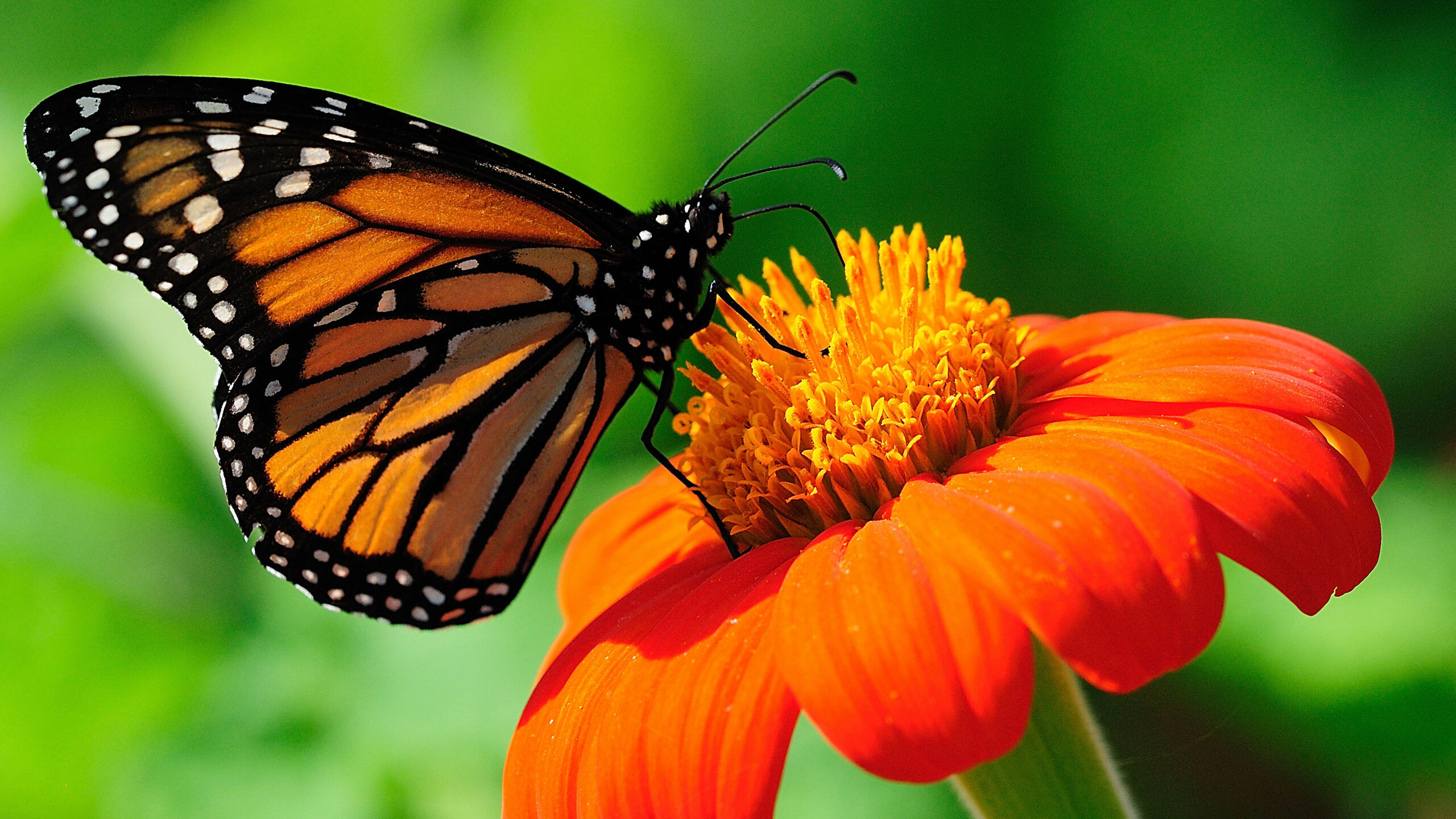
A butterfly drifting through a coffee plantation or resting on a wildflower may seem like a simple moment of beauty, but it reveals something much deeper. Butterflies are considered one of nature’s most reliable indicators of a healthy ecosystem. Their presence reflects clean surroundings, diverse plant life, and a balanced environment where both wildlife and agriculture can flourish.
In regions like Coorg, where coffee plantations often blend with native forests and shade trees, butterflies play an important role in maintaining biodiversity while reminding us that even the smallest creatures contribute to the health of the landscape.
Nature’s Environmental Indicators
Scientists often refer to butterflies as “bioindicators” because they are highly sensitive to changes in their environment. They respond quickly to pollution, habitat loss, climate changes, and the excessive use of pesticides.
When a farm or plantation supports a wide variety of butterfly species, it usually means the ecosystem is healthy. Clean water, healthy soil, native plants, and minimal chemical disturbance create the ideal conditions for butterflies to survive and reproduce.
Simply put, where butterflies thrive, nature is often thriving too.
Pollinators That Support Plant Life
While bees are widely known for pollination, butterflies also help many flowering plants reproduce. As they feed on nectar, pollen sticks to their bodies and is transferred from one flower to another.
This process supports the growth of wildflowers, shrubs, herbs, and native plants that contribute to a rich and diverse ecosystem. A healthy variety of flowering plants also attracts birds, bees, and other beneficial insects, creating a natural cycle that benefits the entire landscape.
A Sign of Rich Biodiversity
Butterflies depend on specific host plants where they lay their eggs and where caterpillars feed. This means they can only survive in places that provide the right mix of vegetation.
Coffee plantations with shade trees, flowering plants, and natural forest patches often become safe havens for numerous butterfly species. Their presence reflects the rich biodiversity that makes these landscapes resilient and environmentally balanced.
The more diverse the habitat, the greater the variety of butterflies it can support.
Why Sustainable Farming Matters
Sustainable farming practices create environments where butterflies can flourish. Leaving natural vegetation intact, planting native flowering species, reducing pesticide use, and preserving tree cover all help maintain healthy butterfly populations.
These practices benefit not only butterflies but also birds, pollinators, beneficial insects, and soil organisms. Together, they create a self-sustaining ecosystem that supports healthy crops while protecting wildlife.
A farm that works with nature often becomes more resilient in the long run.
Beauty That Inspires Conservation
Butterflies also inspire people to appreciate and protect nature. Their vibrant colours and graceful flight attract photographers, birdwatchers, and nature lovers, making plantations more enjoyable places to visit.
For eco-tourism destinations, butterflies add another layer of natural charm, encouraging visitors to value biodiversity and understand the importance of conservation.
Their presence reminds us that protecting nature benefits both wildlife and people.
Conclusion
Butterflies are much more than colourful visitors to farms and forests. They are living indicators of environmental health, helping us understand whether an ecosystem is balanced and thriving.
By supporting pollination, reflecting biodiversity, and responding to changes in the environment, butterflies play an important role in sustainable agriculture. Protecting their habitats through responsible farming practices ensures that future generations can continue to enjoy landscapes filled with life, colour, and ecological harmony.
The next time you spot a butterfly fluttering through a plantation, remember that it is carrying an important message—nature is healthy, connected, and alive.
Frequently Asked Questions
Q: Why are butterflies called environmental bioindicators?
A: Butterflies are highly sensitive to microclimate shifts, chemical pesticides, and habitat destruction, making their presence a direct indicator of ecosystem health
Q: How do butterflies support plant life on farms and plantations?
A: As butterflies feed on nectar, they transfer pollen between flowers, enabling wild plants, crops, and trees to reproduce and maintain biodiversity.
Q: What makes shaded coffee plantations ideal habitats for butterflies?
A: Shaded plantations offer a multi-layered canopy, diverse host plants, native shade trees, and reduced chemical disturbance necessary for breeding.
Q: How do sustainable farming practices help butterfly populations?
A: Avoiding toxic pesticides, preserving native flora, and maintaining shade canopy protect host plants and provide reliable food sources for caterpillars and adults.
Q: Why does butterfly diversity benefit eco-tourism and estate value?
A: Vibrant butterfly populations enhance natural beauty, attract nature enthusiasts, and signify a thriving, ecologically balanced landscape.