
When we think of a thriving farm, our attention usually goes to towering trees, healthy crops, or abundant harvests. Yet, beneath every leaf, inside the soil, and among the roots lives an army of tiny creatures working tirelessly to keep the land healthy.
Ants, beetles, and earthworms may seem insignificant, but they perform essential tasks that improve soil quality, recycle nutrients, and help maintain the balance of nature. Without them, even the most fertile farmland would struggle to remain productive.
Let’s explore how these small creatures make a big difference.
Earthworms: Nature’s Soil Engineers
Earthworms are often called the “engineers of the soil” for good reason. As they move through the ground, they create natural tunnels that allow air, water, and plant roots to penetrate deeper into the soil.
Their feeding habits are equally important. Earthworms consume decaying leaves and organic matter, breaking them down into nutrient-rich castings. These castings contain valuable nutrients such as nitrogen, phosphorus, and potassium, making them an excellent natural fertilizer.
Healthy earthworm populations are often a sign of fertile, living soil. Farmers who encourage organic matter and avoid excessive chemical use usually find their soils richer and more productive over time.
Ants: Small Builders with a Big Role
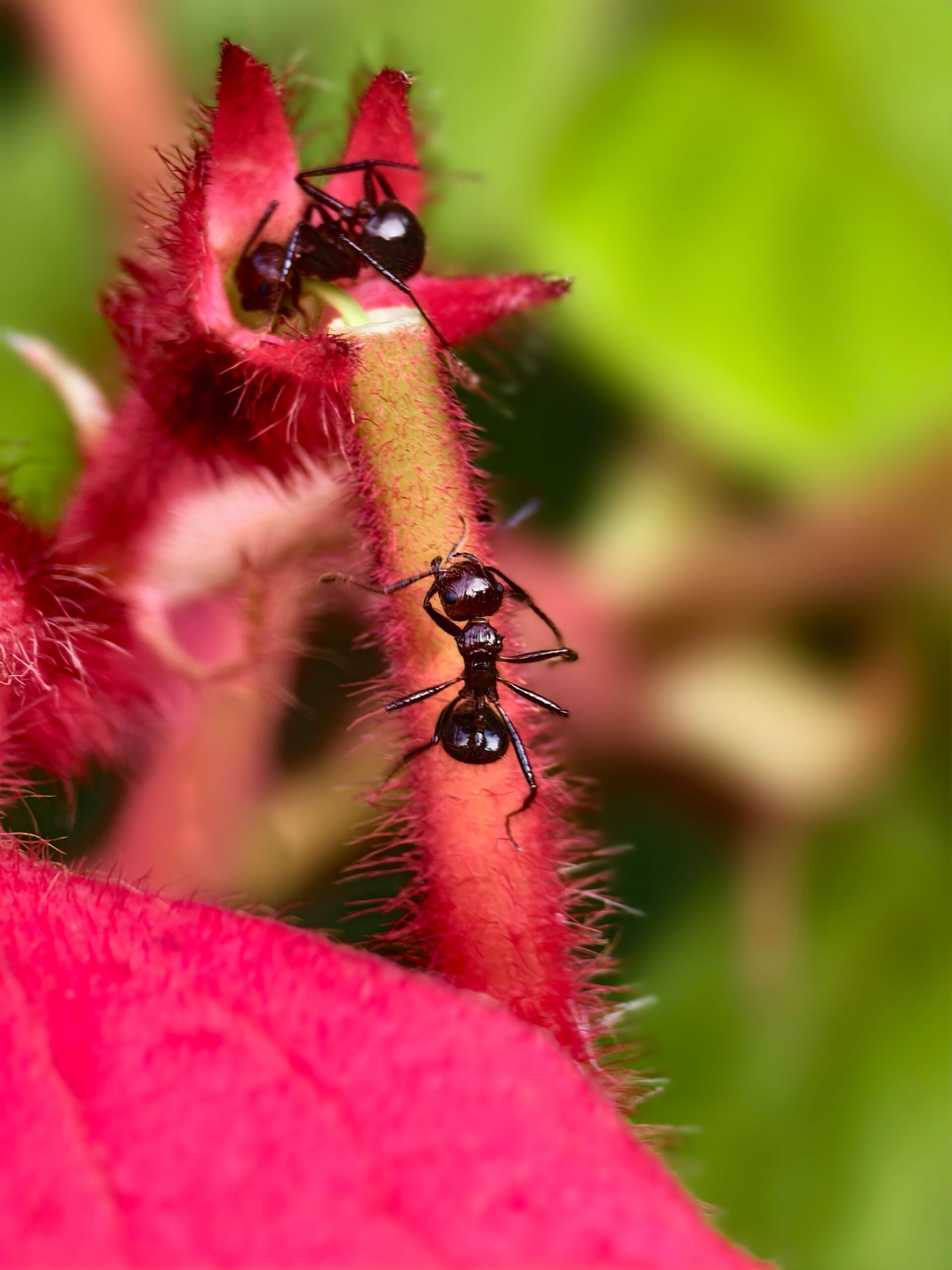
Ants are among the hardest-working insects on any farm. Their underground tunnels loosen compacted soil, improving water infiltration and aeration.
As ants collect seeds, leaves, and organic material, they unintentionally help recycle nutrients across the farm. Some species also feed on insect larvae and other small pests, contributing to natural pest control.
Their nests create pockets where nutrients accumulate, enriching the surrounding soil. Though often overlooked, ant colonies are an important part of a healthy agricultural ecosystem.
Beetles: Nature’s Clean-Up Crew
Not all beetles damage crops. In fact, many species play beneficial roles on farms.
Ground beetles feed on harmful insects such as caterpillars, slugs, and crop pests. By naturally reducing pest populations, they help farmers rely less on chemical pesticides.
Dung beetles perform another remarkable service. They bury animal waste underground, returning nutrients to the soil while reducing fly populations and improving soil fertility.
Other beetles help decompose dead plant material, accelerating the recycling of nutrients back into the ecosystem.
Working Together Beneath the Surface
These tiny creatures don’t work alone.
Earthworms improve soil structure.
Ants increase aeration and nutrient movement.
Beetles control pests and recycle organic waste.
Together, they create a healthy underground ecosystem that supports stronger plants, healthier roots, and better harvests.
Their combined efforts often go unnoticed, yet they are essential for maintaining fertile farmland.
Why Biodiversity Matters
A farm rich in insects and soil organisms is usually more resilient to environmental challenges. Biodiversity creates natural checks and balances that keep ecosystems functioning efficiently.
When farms protect native vegetation, reduce excessive pesticide use, and leave organic matter on the ground, they provide habitats where beneficial insects can thrive.
These sustainable practices not only improve soil health but also encourage birds, butterflies, pollinators, and countless other species that contribute to a balanced environment.
Supporting Nature’s Helpers
Farmers can encourage these beneficial creatures through simple practices:
- Leave fallen leaves and organic matter to decompose naturally.
- Reduce unnecessary pesticide applications.
- Use compost instead of relying solely on synthetic fertilizers.
- Maintain tree cover and natural vegetation.
- Avoid disturbing soil more than necessary.
Small changes can create an environment where beneficial organisms flourish.
A Living Soil Creates a Living Farm
Healthy farmland is more than fertile soil and good rainfall—it’s a living ecosystem filled with organisms working together every day.
The next time you walk through a plantation or farm, remember that some of its most valuable workers are hidden beneath your feet. Ants, beetles, and earthworms quietly improve the land, recycle nutrients, and build healthier soils that support future harvests.