When we admire a majestic tree, our attention is usually drawn to its canopy of leaves or its sturdy trunk. Rarely do we stop to appreciate the bark that wraps around it. Yet tree bark is far more than an outer covering—it is a living shield that protects the tree while supporting an entire ecosystem.
In the forests and coffee plantations of Coorg, tree bark provides shelter for countless organisms, regulates the tree’s health, and plays a vital role in maintaining biodiversity. Every crack, groove, and textured surface tells a story of survival and resilience.
Nature’s Protective Shield
The primary role of bark is to protect the tree from the outside world. It acts as a barrier against insects, harmful fungi, extreme weather, and physical damage.
During hot summers, bark helps reduce moisture loss from the tree. In cooler seasons, it insulates the trunk, protecting the delicate tissues inside from sudden temperature changes. This natural armour allows trees to grow stronger and live for decades, sometimes even centuries.
A Home for Wildlife
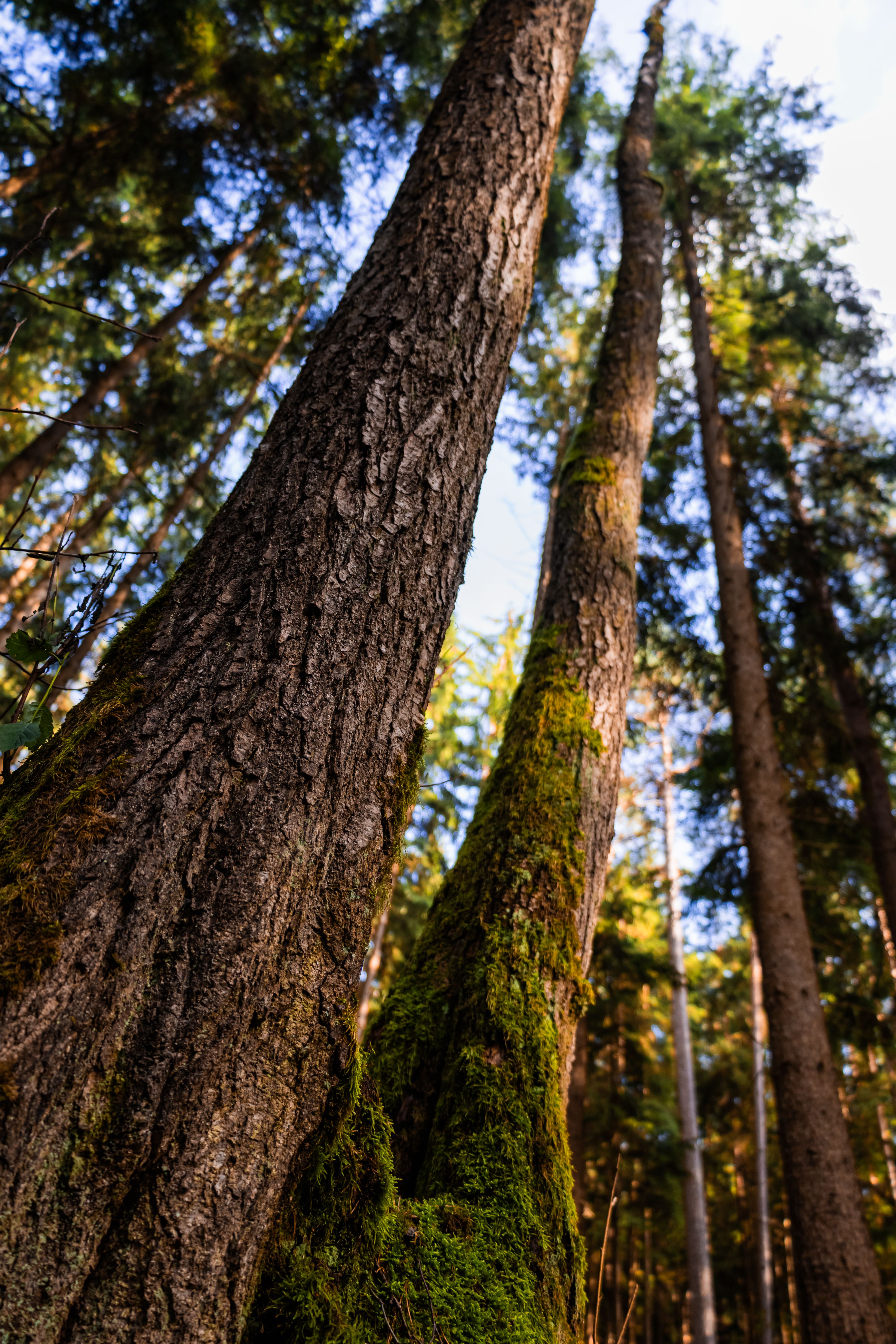
Tree bark is a miniature ecosystem in itself. Tiny insects hide beneath loose bark to escape predators, while spiders build webs in its crevices. Mosses, lichens, and fungi often grow on the bark’s surface without harming the tree.
Birds such as woodpeckers search beneath the bark for insects, turning it into a valuable feeding ground. Small reptiles and amphibians may also use bark as a safe resting place.
Every layer of bark supports life in ways that often go unnoticed.
Supporting Healthy Plantations
In shade-grown coffee plantations, mature trees are an essential part of the farming ecosystem. Their bark contributes to biodiversity by providing habitats for beneficial insects and birds that naturally help control pests.
Healthy trees with intact bark also create stable shade, helping regulate temperatures for coffee plants growing beneath them. This natural partnership supports both wildlife and agricultural productivity.
A Living Record of Time
Tree bark changes as a tree grows. Some species develop deep ridges, while others peel away in thin layers or display unique patterns and colours.
These characteristics often reveal the tree’s age, health, and the environmental conditions it has experienced. Natural scars from storms or wildlife interactions become part of the tree’s history, making every trunk unique.
Observing bark closely can reveal just how much a tree has endured over its lifetime.
Why Protecting Trees Matters
When mature trees are preserved, their bark continues to support an incredible variety of life. Protecting forests and maintaining native tree cover ensures that these habitats remain available for birds, insects, fungi, and countless microorganisms.
Sustainable plantations recognise that healthy trees contribute far more than shade—they strengthen the entire ecosystem.
Conclusion
Tree bark may seem ordinary at first glance, but it performs extraordinary functions every day. It protects trees from harsh conditions, provides shelter for wildlife, and supports the delicate balance of forest ecosystems.