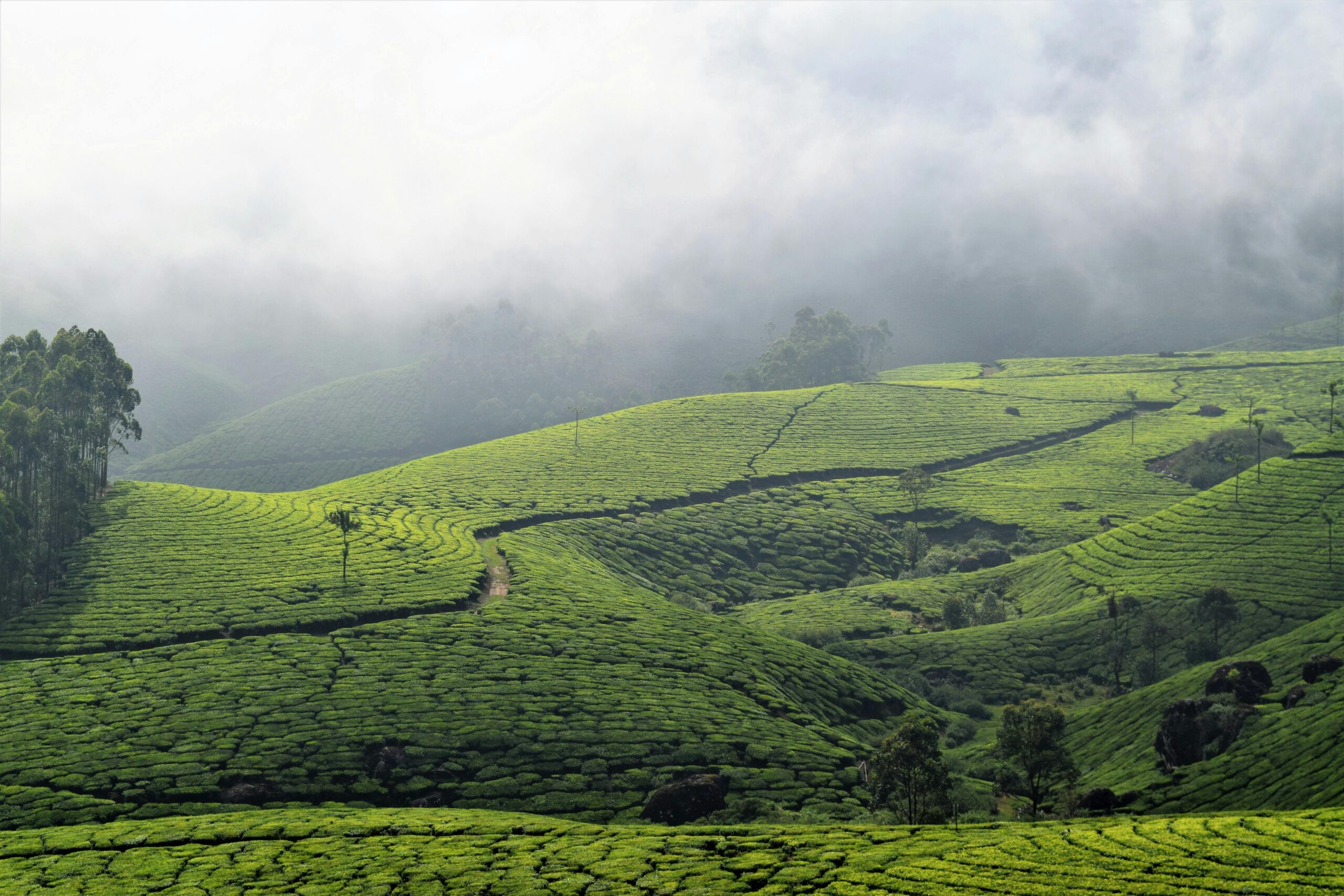
When we walk through a coffee plantation or a forest, we often admire the towering trees, colourful birds, and lush greenery. Yet beneath every step lies an extraordinary world that most people never see. Healthy soil is alive with billions of microorganisms, fungi, insects, and earthworms that work together to support the entire ecosystem.
This hidden underground community is the foundation of every thriving forest and plantation. Without it, plants would struggle to grow, nutrients would disappear, and the natural balance of the environment would be lost.
A Living Ecosystem Underground
Healthy soil is much more than dirt. A single handful of fertile soil contains millions of bacteria, thousands of fungi, tiny insects, nematodes, mites, and countless other organisms. Each has a specific role in maintaining soil health.
Some organisms break down dead leaves and fallen branches, while others recycle nutrients, improve soil structure, or help plant roots absorb water and minerals. Together, they create a self-sustaining ecosystem that supports healthy plant growth.
Fungi: Nature’s Underground Network
One of the most fascinating parts of forest soil is the network of fungi hidden beneath the surface. These fungi form partnerships with plant roots, creating connections that help trees and crops absorb nutrients more efficiently.
Often called the “wood wide web,” this underground network allows plants to access water and essential minerals from areas they could not reach on their own. In return, the plants provide sugars that feed the fungi.
This remarkable relationship strengthens forests and plantations naturally.
Tiny Workers That Recycle Nature
Every fallen leaf, flower, and branch eventually becomes food for soil organisms. Beetles, ants, termites, springtails, and earthworms gradually break this organic material into smaller pieces.
Bacteria and fungi complete the decomposition process, releasing nutrients back into the soil where they nourish new plant growth. Nothing in nature is wasted. Everything is recycled through this continuous natural cycle.
This constant renewal keeps forests productive without relying on artificial fertilizers.
Healthy Soil Creates Healthy Plants
Plants with strong root systems depend on healthy soil to access water, oxygen, and nutrients. Well-structured soil also allows roots to spread deeper, making plants more resilient during dry periods.
Coffee plantations that protect soil biodiversity often experience healthier crops, improved moisture retention, and greater long-term productivity. Rather than treating soil as an inactive growing medium, sustainable farming recognises it as a living resource that deserves protection.
Protecting the Life Below Our Feet
Simple farming practices can help preserve this underground ecosystem. Leaving fallen leaves on the ground, adding compost, reducing excessive tillage, and minimising chemical use all encourage beneficial organisms to thrive.
Shade trees and diverse vegetation also contribute organic matter that continuously feeds the soil. These sustainable practices strengthen the entire ecosystem from the ground up.
Conclusion
The true strength of a healthy forest or plantation begins beneath the surface. Hidden from view, millions of tiny organisms work day and night to recycle nutrients, improve soil structure, and support healthy plant growth.
Every thriving coffee estate owes part of its success to this invisible world beneath the soil. By protecting soil biodiversity, we protect the future of our forests, farms, and the countless forms of life that depend on them.