
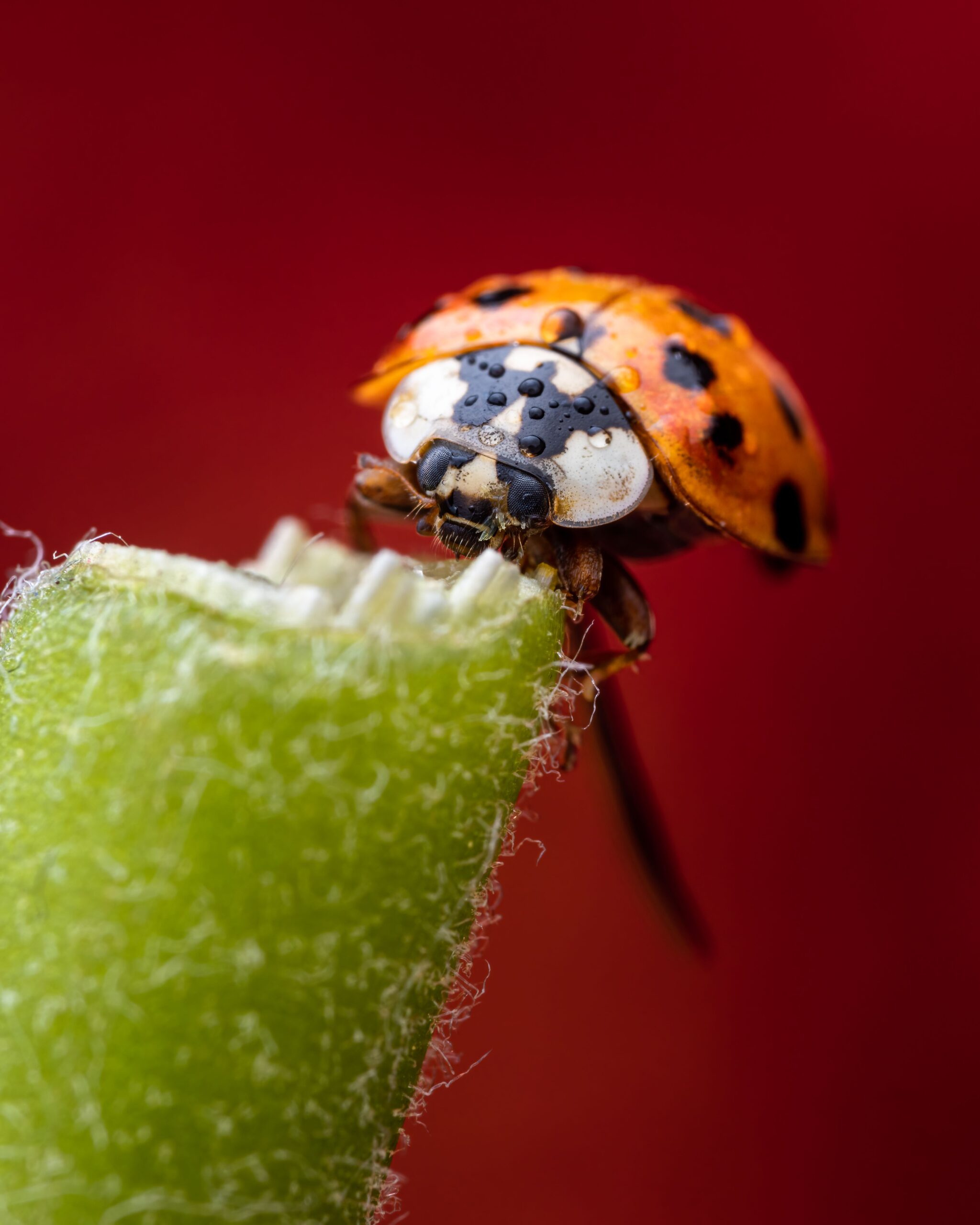
Not every insect on a farm is harmful. While some species feed on crops and damage plants, many others quietly protect farms by controlling pests naturally. These beneficial insects act as nature’s own pest management team, helping maintain a healthy balance without relying heavily on chemical pesticides.
On coffee plantations and sustainable farms, these tiny allies play an essential role in keeping crops healthy while supporting biodiversity. By encouraging beneficial insects, farmers create stronger ecosystems where nature helps solve many agricultural challenges.
Ladybugs: Tiny Hunters with a Big Appetite
Ladybugs are among the best-known beneficial insects. Despite their small size, they are fierce predators that feed on aphids, mealybugs, mites, and other soft-bodied pests that can weaken crops.
A single ladybug can consume dozens of aphids in a single day, helping prevent pest populations from growing out of control. Their natural appetite makes them valuable partners for farmers looking to reduce pesticide use.
Lacewings: Gentle Appearance, Powerful Predators
Adult lacewings are delicate insects with transparent wings, but their larvae are highly effective hunters. Often called “aphid lions,” lacewing larvae feed on aphids, caterpillars, whiteflies, and insect eggs.
By targeting pests during their early life stages, lacewings help protect plants before serious damage occurs. Their presence is a sign of a balanced and healthy farm ecosystem.
Dragonflies: Guardians of Water and Air
Dragonflies are not only beautiful to watch but also incredibly useful. They feed on mosquitoes, flies, and many other flying insects that can become pests around farms.
Since dragonflies spend part of their life cycle in clean water, their presence often indicates a healthy environment with good water quality. Ponds and small water bodies on farms provide ideal habitats for these remarkable insects.
Praying Mantises: Patient Natural Hunters
Praying mantises are known for their unique appearance and remarkable hunting skills. They patiently wait for prey before capturing insects such as grasshoppers, moths, beetles, and caterpillars.
Although they do not distinguish between harmful and beneficial insects, they still contribute to maintaining natural population balance within the ecosystem.
Hoverflies: Pollinators and Pest Controllers
Hoverflies are often mistaken for bees because of their similar appearance. Adult hoverflies visit flowers for nectar, helping pollinate plants, while their larvae feed on aphids and other damaging insects.
This dual role makes hoverflies especially valuable on farms, supporting both crop production and natural pest management.
Creating an Insect-Friendly Farm
Beneficial insects thrive where nature is allowed to flourish. Farmers can encourage them by planting flowering plants, preserving native vegetation, reducing pesticide use, and maintaining natural habitats around fields and plantations.
Simple practices such as leaving hedgerows intact or growing flowering herbs can provide food and shelter for these helpful species throughout the year.
A diverse landscape attracts a greater variety of beneficial insects, creating a stronger and more resilient farming system.
Nature Knows Best
Every beneficial insect plays a unique role in maintaining ecological balance. Instead of viewing all insects as pests, sustainable farming recognises that many are essential partners in protecting crops.
By working with nature instead of against it, farmers can reduce chemical dependence, improve biodiversity, and create healthier environments for plants, wildlife, and people alike.