
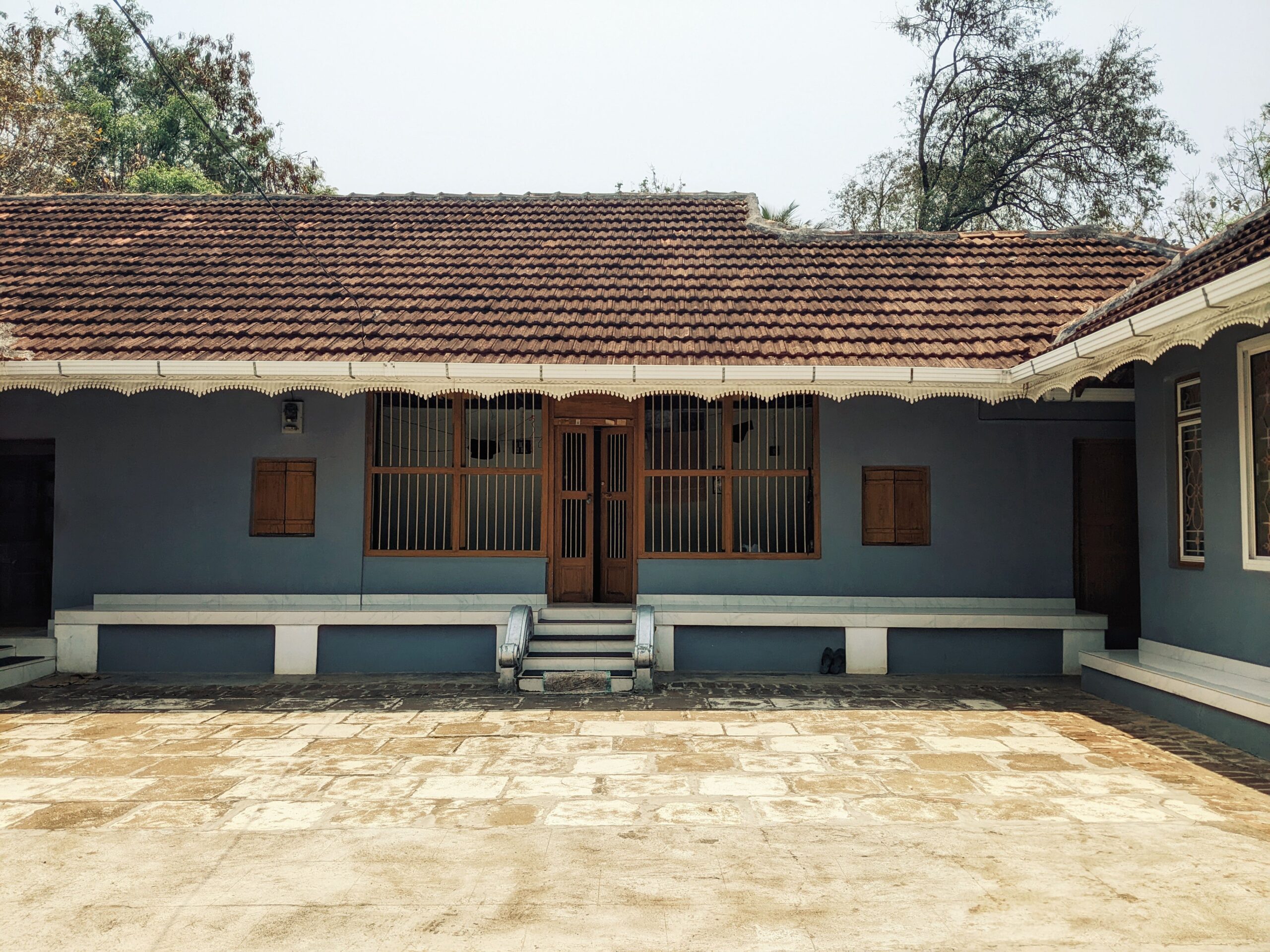
Farmstay visitors to Coorg are seeking an experience that is the opposite of a city hotel — something rooted in the place, built from local materials, designed for the local climate, and aesthetically distinctive. Traditional Kodava architecture, developed over centuries for exactly the climate and landscape conditions of Kodagu district, delivers all of these qualities — and farmstay investors who build in this tradition rather than defaulting to modern construction create significantly more appealing and higher-rated guest experiences.
Characteristics of Traditional Kodava Architecture
Traditional Kodava domestic buildings have specific structural and aesthetic characteristics that are directly suited to farmstay use. Thick stone and laterite block walls provide natural thermal mass — keeping interiors cool during warm afternoons and warm during cool evenings without requiring air conditioning in Coorg’s moderate climate. Steeply sloping roof lines in traditional Mangalorean tile or natural slate shed heavy monsoon rain effectively and create dramatic architectural silhouettes against the hillside landscape.
Wide verandahs — the essential space of traditional South Indian domestic life — provide outdoor living areas that are sheltered from rain while remaining connected to the estate landscape. These verandahs, where guests drink estate coffee and watch mist move through the valley, are the spaces that generate the most positive guest reviews and the most social media photography.
Timber detailing — carved door frames, wooden columns, polished teak floors — provides warmth and tactile richness that mass-produced modern materials cannot replicate. Locally sourced stone and timber, used in traditional proportions and configurations, creates a building that belongs to its landscape rather than being imposed upon it.
Why Traditional Style Commands Premium Pricing
Farmstay accommodation across India has bifurcated into two distinct markets: standardised modern construction that competes primarily on price, and distinctive locally-rooted accommodation that competes on experience and can command premium pricing. Coorg’s most reviewed and highest-priced farmstay properties are consistently those that have invested in traditional architectural character — the stone estate bungalow, the traditional Kodava ainmane-style accommodation, the old-world planter’s cottage aesthetic.
Guests who book a one-night farmstay at three thousand rupees and a traditional stone cottage estate at eight thousand rupees have made fundamentally different purchase decisions — the second guest is not just buying a bed, they are buying an experience of a specific place with specific architectural and aesthetic character. This experience premium is sustainable and growing as urban Indian travellers become more discerning about what makes accommodation worth its price.
The Construction Approach
Building in traditional Kodava style is not more expensive than modern construction at equivalent quality levels — local stone and traditional building skills are available in Kodagu from craftspeople who maintain these building traditions. The materials are locally sourced and cost-effective relative to imported or manufactured alternatives. What requires more attention is finding and working with craftspeople who know traditional Kodava building techniques rather than defaulting to generic modern contractors who build the same concrete box in every context.
Nature N Me can connect investors interested in farmstay development on their estate with local architects and builders experienced in traditional Kodava and plantation-era construction styles. The resulting accommodation, sensitively designed and well-maintained, creates the guest experience that generates the five-star reviews and high repeat visit rates that make farmstay income a sustainable revenue stream.
Frequently Asked Questions
Q: Why is traditional Kodava architecture ideal for farmstays in Coorg?
A: It uses local materials like thick stone and laterite blocks that naturally regulate indoor temperature, combined with steep tiled roofs designed specifically for heavy monsoon rains.
Q: How does building in traditional style benefit farmstay owners financially?
A: Locally-rooted traditional architecture provides a unique cultural experience, allowing farmstay properties to command premium nightly pricing compared to generic modern structures.
Q: What architectural feature creates the best guest experience in Kodava-style buildings?
A: Wide verandahs (verandahs) shelter guests from rain while keeping them connected to the surrounding estate landscape, making them prime spaces for relaxation and social photography.
Q: Is building a traditional Kodava-style structure more expensive than modern construction?
A: No, traditional construction costs are comparable to modern builds of equivalent quality because materials like stone and timber are locally sourced and cost-effective.
Q: How can investors find craftspeople for traditional Kodava construction?
A: Local architects and skilled craftspeople in Kodagu maintain these heritage techniques, and specialized partners like Nature N Me can connect investors directly with experienced builders.