
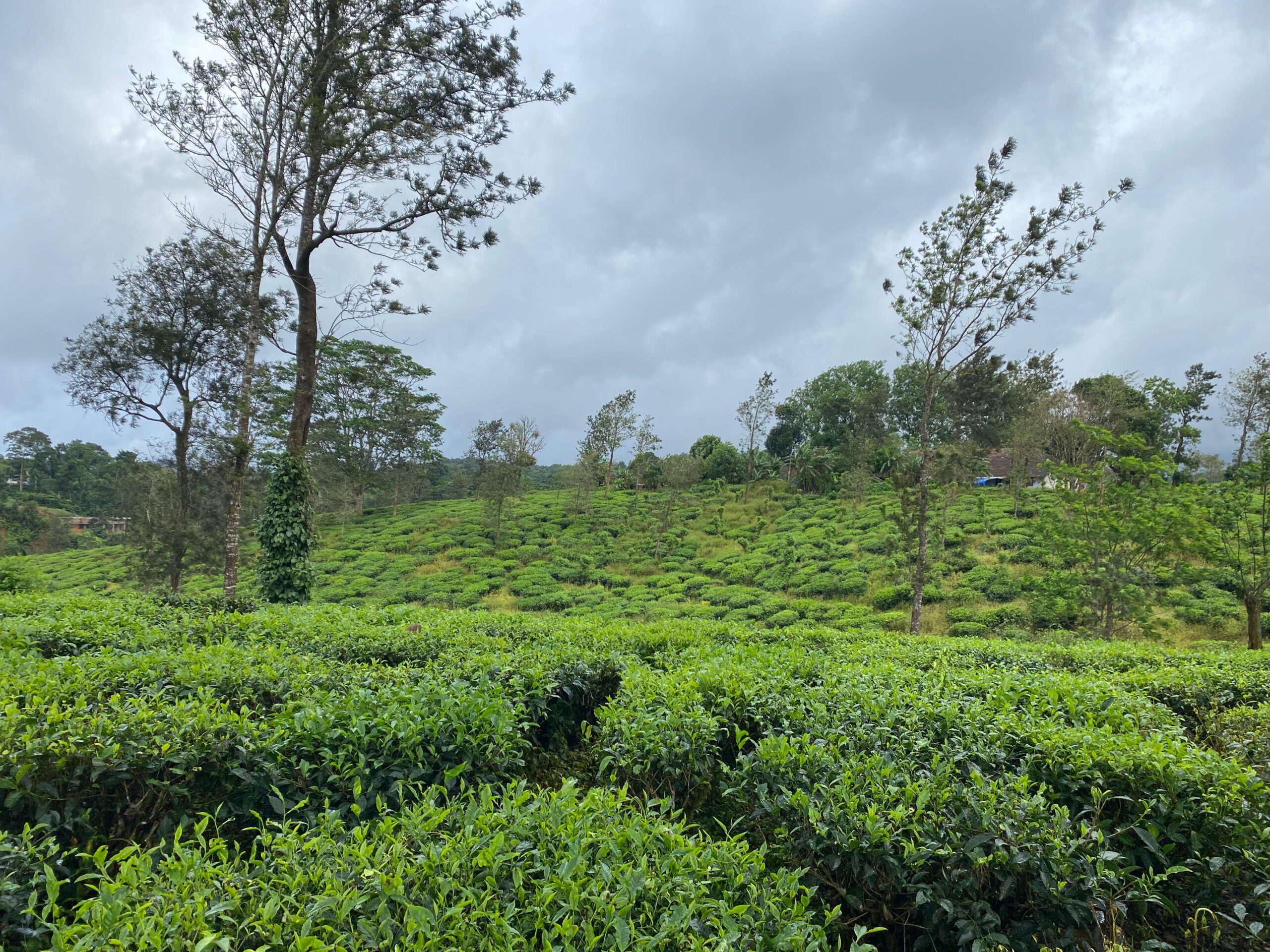
For most of the managed farmland investment category’s growth in India, the buyer has been the individual urban professional — the Bangalore software engineer, the Mumbai doctor, the Hyderabad entrepreneur. But a quiet shift is beginning to occur at the institutional level: family offices managing multi-generational wealth, sophisticated wealth management firms serving HNI clients, and even early-stage institutional capital is beginning to look at Karnataka agricultural land as a serious alternative asset category.
What Is Driving Institutional Interest
The institutional conversation about agricultural land in India has several distinct strands. The portfolio diversification argument is the most fundamental — agricultural land’s zero correlation with financial market cycles makes it genuinely valuable as a portfolio constituent in ways that other alternatives like private equity, structured products, and listed REITs do not deliver, because all of those retain some market correlation through their pricing mechanisms. Agricultural land’s value is determined by soil, water, crops, and regional supply-demand — genuinely independent variables.
The inflation hedge argument is gaining traction in institutional portfolios. Agricultural land historically maintains or increases its real value through inflationary periods, because the inputs that drive land value — food, water, soil productivity — are themselves inflation-linked. In an environment where Indian institutions are looking for assets that protect against both market volatility and inflationary erosion, agricultural land checks both boxes simultaneously.
The tax efficiency argument, while most directly relevant to individual high-bracket taxpayers, also affects institutional structures in specific ways. Family office structures that include agricultural land can generate tax-free agricultural income that, depending on the structure, benefits the family members receiving income from the office — a portfolio-level tax efficiency consideration that sophisticated wealth managers include in their asset allocation modelling.
What Institutional Investors Look For That Retail Investors May Not
Institutional investors evaluate agricultural land investments with a more systematic framework than most retail investors. Key criteria include documented title security with verification across the full ownership chain, water availability evidence with quantitative bore well test data and stream flow documentation, crop income history with auditable harvest and sale records across multiple seasons, management quality evidence through documented crop care protocols and pest management records, and exit market evidence through documented resale transactions at verified prices.
This institutional due diligence standard is actually useful for retail investors too — it describes exactly what serious farmland investment documentation should include, and Nature N Me’s documentation package for investor plots is designed to meet institutional-quality standards not only for current investors but for the future buyers who may eventually purchase resale plots.
What Institutional Interest Means for Coorg Land Values
When institutional capital enters any alternative asset class, it typically has two effects: it provides price discovery and validation that raises confidence among retail investors who were uncertain, and it increases demand for the highest-quality assets in the category, creating price differentiation between premium and commodity assets within the class.
For Coorg farmland specifically, institutional interest — even at early stages — creates upward pressure on premium-zone plots that meet institutional documentation and quality standards. The Madikeri-zone plots with clean title, documented water security, and proven crop income history are exactly the type that institutional buyers would prioritise. Retail investors who own such plots are effectively holding an asset whose buyer universe has expanded as institutional interest grows.
The Long Game
Institutional adoption of agricultural land as an alternative asset class in India is in its early stages — where private equity was in India in the early 2000s, or where REITs were before their 2019 listing. Early institutional recognition of an asset class typically precedes the price appreciation that follows widespread adoption by several years. Individual investors who have already positioned in high-quality Coorg farmland are ahead of this institutional recognition curve.
Whether institutional capital ever becomes a dominant buyer in the Coorg farmland market or remains a niche interest, the direction of travel — toward agricultural land being taken more seriously by sophisticated capital allocators — is a long-term tailwind for the retail investors who are already there.
Contact Nature N Me at naturenme.in or WhatsApp +91 98805 21637.