This blog is different from most in this series. It is not about financial returns, legal frameworks, or crop management. It is about something harder to quantify but frequently reported by Nature N Me investors as among the most significant effects of the investment: the change in how you think about wealth, permanence, and your place in the physical world when you own a piece of productive land.
The Abstraction of Modern Wealth
Most financial wealth in modern India exists in a state of abstraction. Mutual fund units are entries in a registrar’s database. Fixed deposits are numbers on a bank statement. ESOPs are contractual rights to numbers that may or may not be exercisable in the future. Even an apartment, the most tangible of financial assets for most urban professionals, is experienced primarily as a set of walls rather than as land — the ownership exists as a percentage of undivided share in a plot beneath a building, a legal concept that has no sensory reality.
This abstraction is not a problem exactly — these instruments are legitimate, regulated, and functional. But it means that most people’s relationship with their own wealth is mediated entirely through screens and statements, with no physical experience of what they own or where it exists.
What Changes When You Own Land
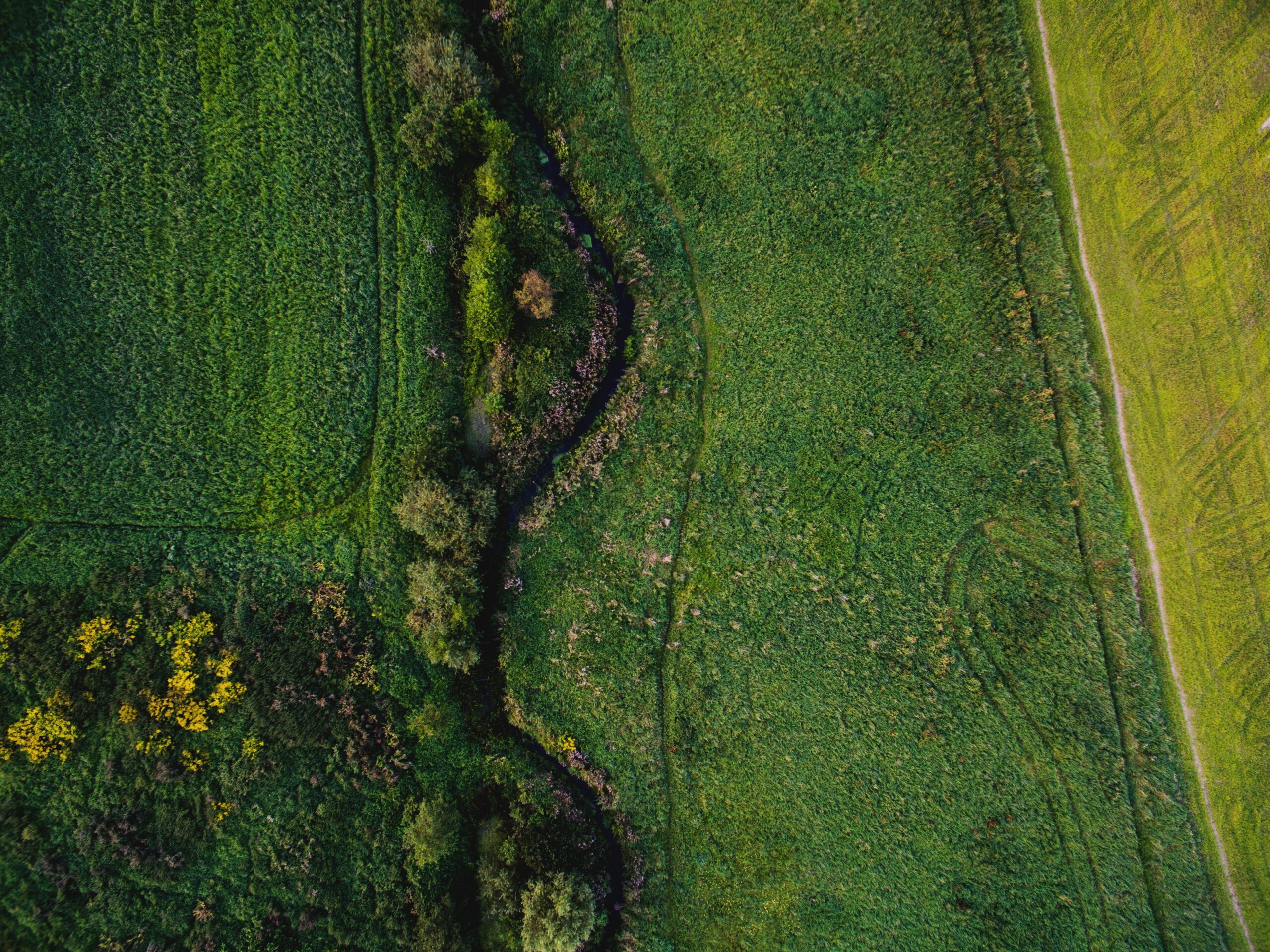
Agricultural land — a specific, physically identifiable piece of the earth, registered to you, that you can walk to every corner of and stand on — is a categorically different experience of ownership. Something that financial wealth does not produce: the knowledge that a particular place exists, that it is yours, that rain is falling on it right now whether or not you are watching.
This is not a trivial difference. The psychological experience of owning something with permanent physical existence — something that was there before you and will be there after — produces a relationship with wealth that has a different character from financial ownership. It is slower, calmer, and in some ways more grounding.
Several Nature N Me investors have described the experience in similar terms: the Coorg farm is the part of their portfolio they think about least anxiously. They do not check its value every morning. They do not follow news events to see how it is doing. It is simply there, growing, being managed, producing. This relationship with the asset — patient, physical, seasonal — is a psychological resource that urban financial wealth does not provide.
The Time Horizon Shift
Financial instruments create a short-to-medium time horizon relationship with wealth — quarterly results, annual returns, five-year fund track records. Agricultural land operates on a fundamentally different time scale. The teak trees planted today will be harvested in fifteen to twenty years. The coffee plants established this season will be at peak productivity for the next decade. The soil organic matter built by composting and mulching this year will be paying dividends in crop quality for the next ten.
Owning land that rewards long time horizons changes how you think about wealth itself. The question “what is this worth today” becomes less interesting than “what will this be in twenty years.” The compounding of a physical productive asset across decades becomes something you can see and feel — in the growth of trees, the improving yield of mature coffee plants, the building fertility of soil that is managed with care — rather than something you can only read in a fund factsheet.
The Identity Shift
This may be the subtlest and most surprising effect. Urban professionals in India carry a particular identity — knowledge workers, consumers of services, inhabitants of built environments, participants in the economy through earning and spending. Becoming a landowner — particularly a farmland owner in a place as specific and beautiful as Coorg — adds a dimension to that identity that many find genuinely enriching.
You are now someone who has a farm. Who watches the harvest photos with the attention of someone who owns the outcome. Who knows what coffee blossom smells like because you were there in March. Who can tell your children where their food comes from in terms that are not abstract. Who has a specific piece of the Western Ghats that is yours, that is being tended, that is alive and productive and present in the world regardless of what the Sensex is doing.
This is the psychological shift that farmland ownership produces — and it is one reason why investors who have done it rarely describe it in purely financial terms, even when the financial terms are excellent.
Contact Nature N Me at naturenme.in or WhatsApp +91 98805 21637.