
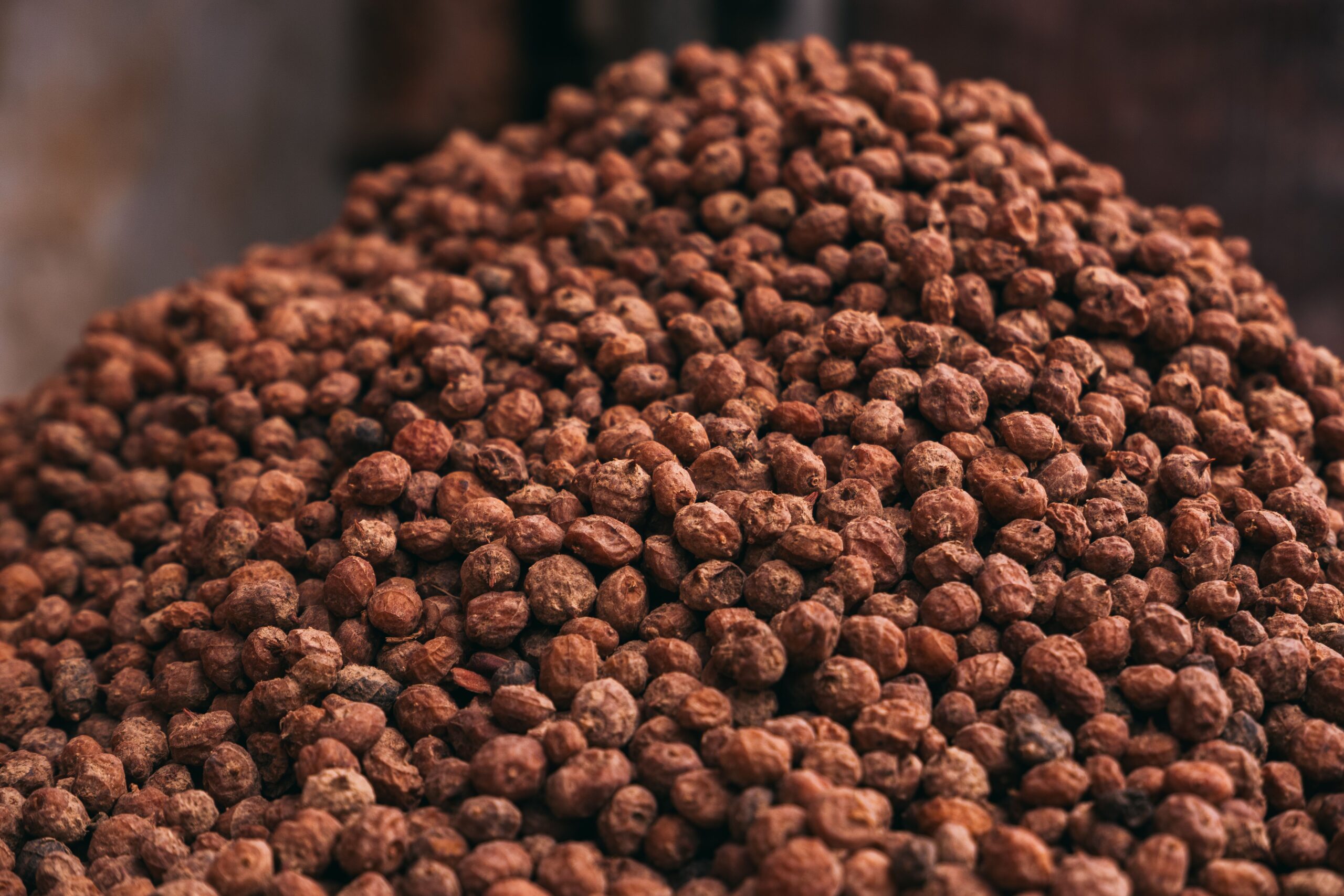
Among the high-value crops grown in Karnataka’s Western Ghats districts, one deserves more attention from farmland investors than it typically receives: arecanut. Known as betel nut or supari, Areca catechu is among India’s most economically significant plantation crops — Karnataka is the country’s largest arecanut producing state, and significant cultivation occurs in the lower-altitude zones of Coorg, particularly in Virajpet taluk and the areas bordering Dakshina Kannada district.
What Arecanut Is and Why It Matters
Arecanut is the seed of the areca palm, consumed across South and Southeast Asia primarily as a component of paan (betel leaf preparation) and processed supari products. India is both the world’s largest producer and largest consumer of arecanut, with domestic demand driven by a massive and relatively inelastic consumer base across multiple states.
Karnataka accounts for approximately 40% of India’s arecanut production. The crop is deeply embedded in the agricultural economy of the Western Ghats districts — Dakshina Kannada, Udupi, and parts of Coorg have been arecanut cultivation centres for centuries.
Arecanut Economics: A High-Value Crop
Arecanut prices in India have been consistently strong over the past decade. The farm-gate price for dried chali (a common processed form) has ranged from ₹350 to ₹600 per kg, with premium white arecanut commanding higher prices in specific markets. Price spikes during supply-short years have pushed prices significantly higher.
A mature arecanut palm (year 7 onwards) produces approximately 3–4 kg of dried nut per palm per year. At standard planting density of 200–270 palms per acre, annual income from a well-established arecanut acre runs from ₹2.1–6.5 lakhs depending on prices and yield — making it one of the highest-income-per-acre crops in Karnataka’s agricultural portfolio.
Growing Requirements and Coorg’s Suitability
Arecanut palms require high humidity (70–80%), well-distributed rainfall of 1,500–3,000 mm annually, temperatures between 14–36°C, deep well-drained laterite or alluvial soil, and reliable water access during the dry season. Lower-altitude Coorg — particularly the Virajpet taluk at 600–900 metres — meets these requirements closely.
Higher-altitude Madikeri zones (above 1,000 metres) are less suitable for arecanut due to cooler temperatures and different rainfall distribution, which is why coffee dominates the Madikeri landscape while arecanut is more prevalent in Virajpet. Investors specifically seeking arecanut-focused farmland should focus their search on the Virajpet and Somwarpet lower-altitude zones.
Arecanut as a Monoculture vs Agroforestry Integration
Traditional arecanut cultivation in Karnataka is often monoculture — dense plantings of areca palms with banana as an interplanted companion. However, progressive farmers are integrating arecanut into agroforestry systems with cocoa (a natural companion crop that benefits from arecanut palm shade), black pepper climbing the arecanut trunks (the same vertical integration logic as on coffee estates), and fruit trees in wider alleys between arecanut rows.
This agroforestry integration improves income diversification and soil health compared to monoculture arecanut — lessons applied from the well-developed Coorg coffee agroforestry tradition.
Demand Outlook and Market Considerations
Arecanut demand in India is driven by deep cultural consumption patterns that have proven remarkably resilient over decades. While public health discussions around arecanut chewing are ongoing, domestic consumption has remained strong, and processed supari products have grown as a mainstream snack category.
Export markets for Indian arecanut include Bangladesh, Pakistan, and several Southeast Asian countries, providing an additional demand channel beyond domestic consumption.
For investors evaluating lower-altitude farmland options in Coorg’s Virajpet zone, arecanut is a legitimate high-income crop to understand alongside coffee and spices.Contact Nature N Me at naturenme.in or WhatsApp +91 98805 21637 to discuss plot availability in arecanut-suitable zones.