
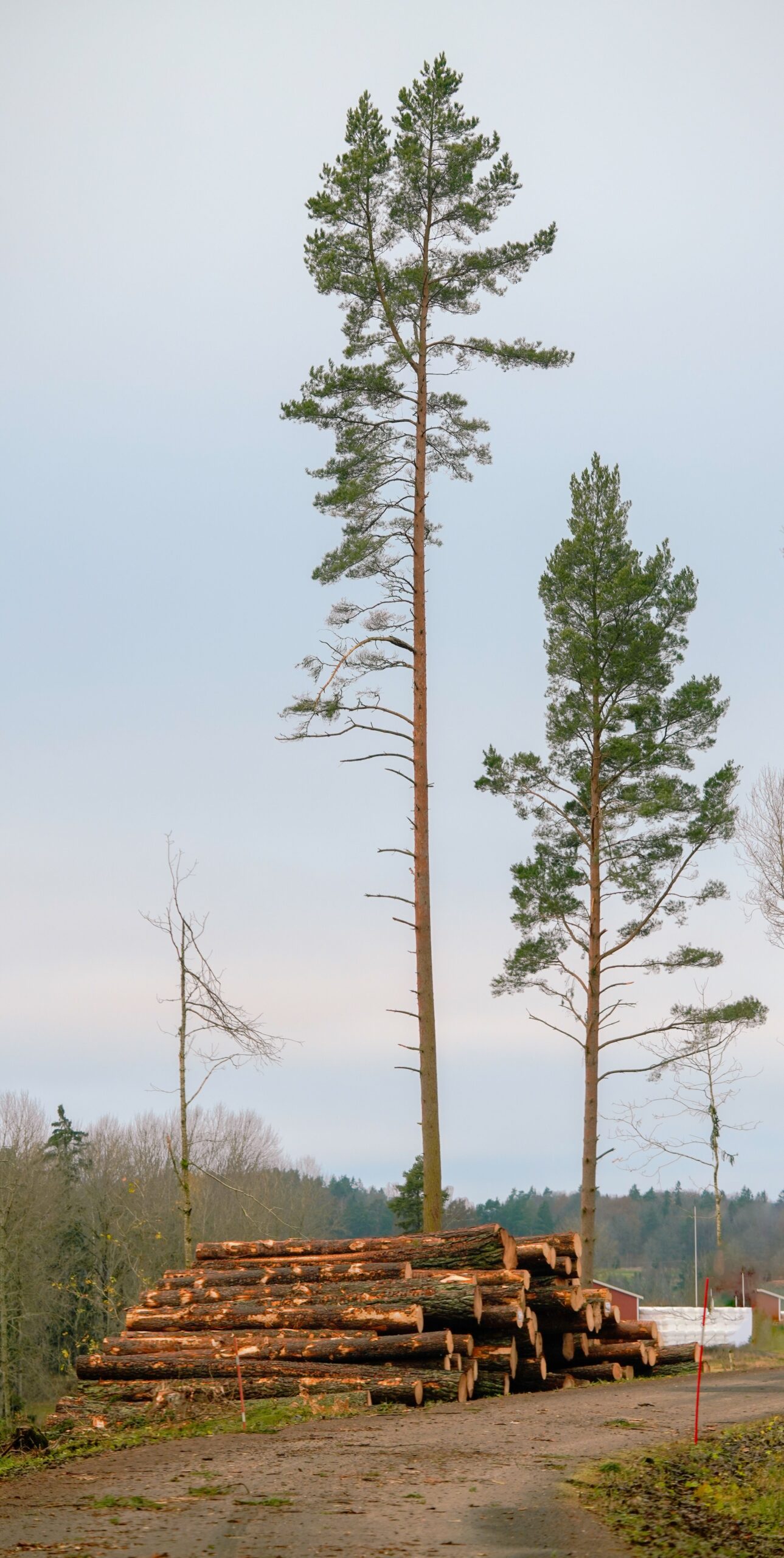
Most farmland investments are evaluated on annual returns — crop income as a percentage of investment. But the most financially significant component of an agroforestry farmland in Coorg may be something that takes 15–20 years to fully mature: teak timber.
Tectona grandis — teak — is one of the world’s most valuable hardwood trees. Indian teak, particularly from Karnataka, is internationally recognised for its quality: dense grain, natural oil content that resists rot and insects, and a distinctive golden-brown colour that commands premium pricing in furniture, marine, and construction markets globally.
The Economics of a Mature Teak Tree
A well-grown teak tree at 15–20 years of age, with a girth of 40–60 cm and a clear bole height of 6–8 metres, is worth ₹50,000–1,50,000 at current market rates depending on quality, girth, and buyer. Exceptional specimens in ideal growing conditions can exceed this.
On a one-acre agroforestry plot, 30–50 teak trees can be planted as the canopy layer without crowding the coffee and spice crops beneath. At maturity, that stand of timber represents ₹15–75 lakhs in accumulated value on a single acre — built over 15–20 years while the same land was simultaneously producing coffee, cardamom, and pepper income every year.
Why Coorg Produces High-Quality Teak
Teak requires well-drained, deep, fertile soil with moderate rainfall — and thrives in the tropical climate of the Western Ghats. Coorg’s red laterite and loamy soils, combined with high rainfall and warm temperatures, produce teak with superior growth rates compared to drier regions.
In well-managed agroforestry conditions — where teak receives adequate light, water, and nutrition from organic farming practices — Coorg teak can reach harvestable girth in 15–18 years, faster than the 20–25 year timeline typical of drier plantation areas.
Teak as the Long-Term Pillar of Your Investment
Think of agroforestry in Coorg as having three financial time horizons on the same acre:
Short term (years 1–5): Coffee, pepper, cardamom, and fruit crop income begins. Annual returns of 8–12% of investment value. Medium term (years 5–15): Crop income continues and grows as plants mature and root systems deepen. Land appreciation compounds. Long term (years 15–20): Teak timber is selectively harvested, delivering a large lump-sum return that dwarfs the annual crop income of any single year.
This structure mirrors a bond with coupon payments (crop income) plus a large principal repayment at maturity (timber harvest) — a familiar financial structure in an unfamiliar physical asset.
Timber Harvesting and Replanting
Teak on agroforestry land is typically selectively harvested — removing the largest trees first while younger ones continue growing. This creates a rolling harvest cycle rather than a single clear-cut event. As mature trees are removed, light floods the lower canopy, benefiting coffee and spice crops temporarily and allowing new teak saplings to be planted in their place.
Nature N Me’s agricultural management includes monitoring tree growth, assessing harvest readiness, and coordinating timber sales with licensed buyers — ensuring investors receive fair market value when the time comes.
Other Timber Species Worth Knowing
Teak is the most commercially prominent timber species in Coorg agroforestry, but it is not the only one. Silver oak (Grevillea robusta) is planted widely as a coffee shade tree and has modest timber value. Sandalwood (Santalum album), while slower-growing, commands extraordinarily high prices — heartwood can sell for ₹5,000–10,000 per kg at maturity. Some Nature N Me plots include sandalwood planting as a very long-term value component, though it requires 25–30 years to reach full heartwood development.
The presence of any of these timber species on a plot effectively means the land is quietly building wealth independent of annual crop cycles — a passive, compounding return embedded into the landscape itself.
| 1 acre agroforestry plot |
| 40 teak trees planted |
| Average value at year 15–20: ₹75,000/tree |
| Timber value: 40 × ₹75,000 = ₹30,00,000 |
| Plus annual crop income (coffee, pepper, cardamom) over the same period |
| Plus land appreciation (12–15% p.a. in Madikeri zone) |
Disclaimer: The figures and projections mentioned in this article are for informational and estimation purposes only. Actual returns from timber, crops, and land appreciation depend on market conditions, soil quality, weather, and management. This does not constitute financial or investment advice. Please consult a qualified advisor before investing.
Frequently Asked Questions
Q: How much is a teak tree worth after 15 years in Coorg?
A: A well-grown teak tree (40–60 cm girth) is typically worth ₹50,000 to ₹1,50,000 at 15–20 years, depending on timber quality, girth size, and market demand.
Q: How many teak trees can be planted on 1 acre in Coorg?
A: In a multi-crop agroforestry setup, 30 to 50 teak trees per acre can be planted as the canopy layer without crowding understory crops like coffee, pepper, and cardamom.
Q: Is teak timber income taxable in India?
A: Revenue generated from growing and harvesting timber trees on agricultural land generally qualifies as agricultural income, which is exempt from central income tax under Section 10(1) of the Income Tax Act.
Q: How does teak fit into a managed farmland investment in Coorg?
A: Teak serves as a long-term wealth compounder. While shade crops (coffee, pepper, spices) generate short- and medium-term annual cash flow, teak timber provides a substantial lump-sum payout upon selective harvest at 15–20 years.