
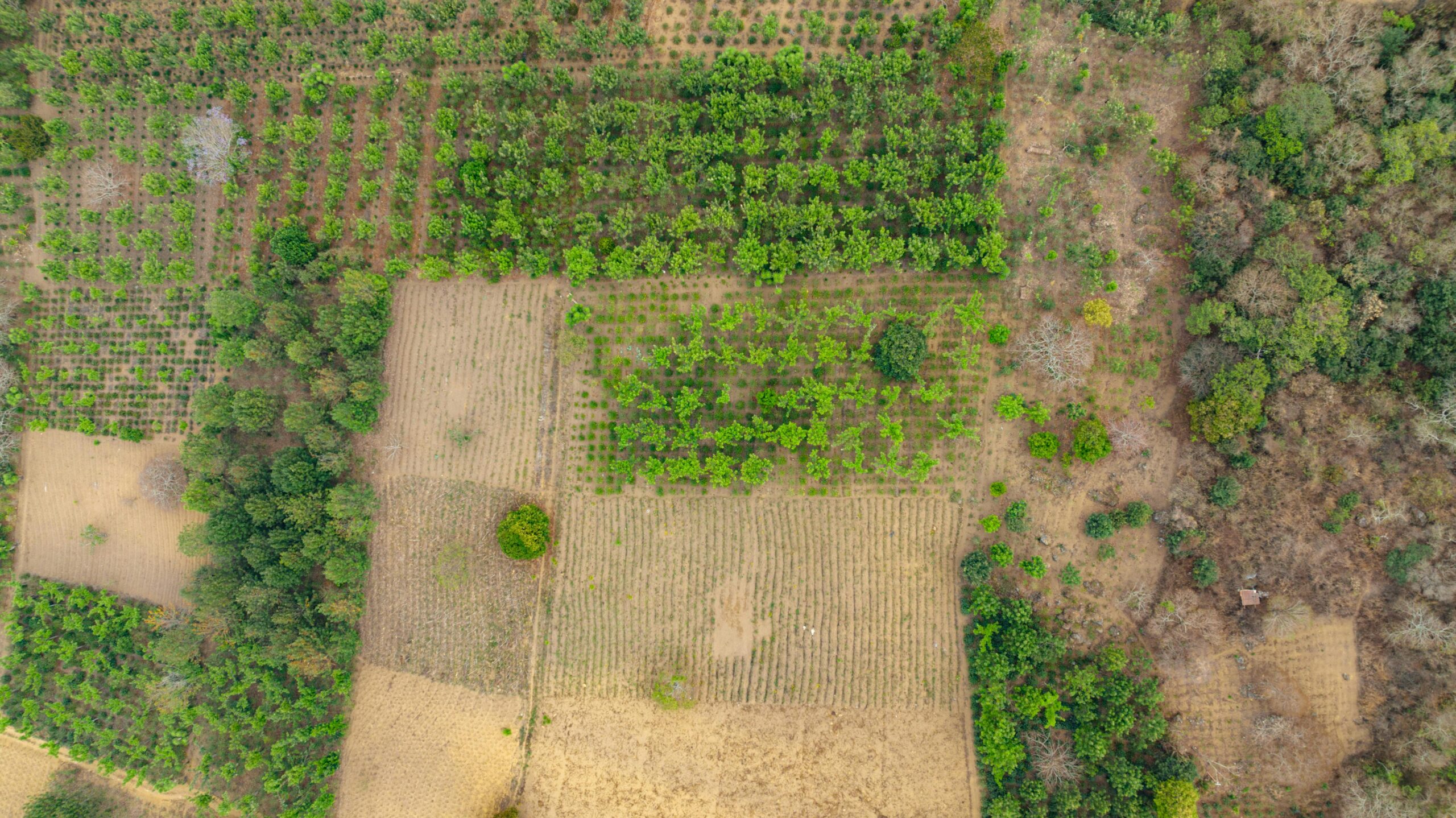
Agroforestry is revolutionizing agriculture in India by combining trees with crops or livestock on the same land. This sustainable practice offers farmers and investors significantly higher returns than conventional farming while benefiting the environment.
What Is Agroforestry?
Agroforestry is a land management system where trees are intentionally grown alongside crops or pastureland. The trees can be planted on field boundaries, between crop rows, or in designated sections of the farm. Common tree species include teak, sandalwood, eucalyptus, mango, jackfruit, and silver oak.
Why Agroforestry Beats Traditional Farming
1. Higher Long-Term ReturnsTraditional crops provide annual income, but agroforestry creates exponential returns. A teak tree planted today can be worth ₹50,000-₹1,00,000 after 15 years. Sandalwood can fetch even higher prices. This appreciation far exceeds what annual crops can generate.
2. Multiple Income StreamsAgroforestry farms generate income at multiple levels:
- Short-term: Vegetables, fruits, or spices grown between trees
- Medium-term: Timber from faster-growing species like eucalyptus (5-7 years)
- Long-term: High-value timber from teak, sandalwood, or silver oak (10-15 years)
3. Risk DiversificationIf crop prices crash or monsoon fails, trees provide a safety net. Trees are less vulnerable to weather fluctuations and market volatility compared to annual crops.
4. Lower Maintenance CostsOnce established, trees require minimal care compared to annual crops that need constant seeding, watering, and pesticide application. Deep-rooted trees access groundwater, reducing irrigation needs.
5. Government Support and SubsidiesThe Indian government actively promotes agroforestry through various schemes. Farmers can access subsidies for saplings, insurance, and technical support, further improving profitability.
Best Tree Species for Investment
Teak: The gold standard of timber. Prices have consistently increased over decades. 15-year-old teak can yield ₹50,000-₹1,00,000 per tree.
Sandalwood: Premium wood with massive demand. However, it requires specific soil conditions and longer gestation (15-20 years).
Silver Oak: Excellent for shade-grown coffee regions. Prices have appreciated steadily, with 10-year-old trees fetching ₹15,000-₹25,000 each.
Mango and Jackfruit: Fruit trees provide annual income from year 3-4 onwards while appreciating in value.
Environmental Benefits
Agroforestry isn’t just profitable—it’s environmentally crucial:
- Trees sequester carbon, combating climate change
- Deep roots prevent soil erosion and improve soil health
- Enhanced biodiversity supports pollinators and beneficial insects
- Better water retention reduces irrigation needs
How to Invest in Agroforestry
Individuals without farming expertise can invest through managed farmland companies that specialize in agroforestry projects. These companies handle sapling selection, planting, maintenance, and eventual harvesting and sales. You receive regular updates and final returns when trees are harvested.
For maximum returns, diversify your tree portfolio with different maturation periods. This ensures steady income rather than waiting decades for a single payout.
Agroforestry represents the future of sustainable, profitable agriculture. As awareness grows and timber prices continue rising, early investors in tree farming will reap substantial rewards while contributing to environmental sustainability.