When people think of coffee plantations, they often imagine rows of coffee plants growing beneath a canopy of trees. What many don’t realize is that these landscapes are also thriving ecosystems that support an incredible variety of wildlife.
In Coorg, coffee estates serve as important habitats for birds, butterflies, mammals, and countless other species, making them a paradise for nature lovers.
Why Coffee Estates Support Biodiversity
Unlike intensive monoculture farming, traditional shade-grown coffee plantations maintain a diverse tree canopy. These trees provide shelter, food, and nesting spaces for wildlife while helping preserve ecological balance.
The result is an agricultural landscape that coexists harmoniously with nature.
Birds You May Encounter
Coorg’s coffee estates are home to a rich variety of birdlife.
Malabar Grey Hornbill
Known for its distinctive curved bill and loud calls, this endemic species is commonly found in the Western Ghats.
Scarlet Minivet
These brightly colored birds add flashes of red and yellow to the plantation canopy.
White-Cheeked Barbet
Recognizable by its repetitive calls, this fruit-eating bird plays an important role in seed dispersal.
Sunbirds
Small and energetic, sunbirds help pollinate flowering plants throughout the estate.
Butterflies and Pollinators
Coffee plantations attract numerous butterfly species thanks to their diverse vegetation.
Common sightings include:
- Blue Tiger Butterfly
- Common Mormon
- Crimson Rose
- Southern Birdwing
These pollinators contribute to ecosystem health while adding beauty to the landscape.
Mammals in the Plantation Landscape
Depending on the location and surrounding forest cover, visitors may spot:
- Indian Giant Squirrel
- Barking Deer
- Wild Boar
- Civet Cats
- Indian Hare
These animals often move between forests and plantations, highlighting the ecological connectivity of the region.
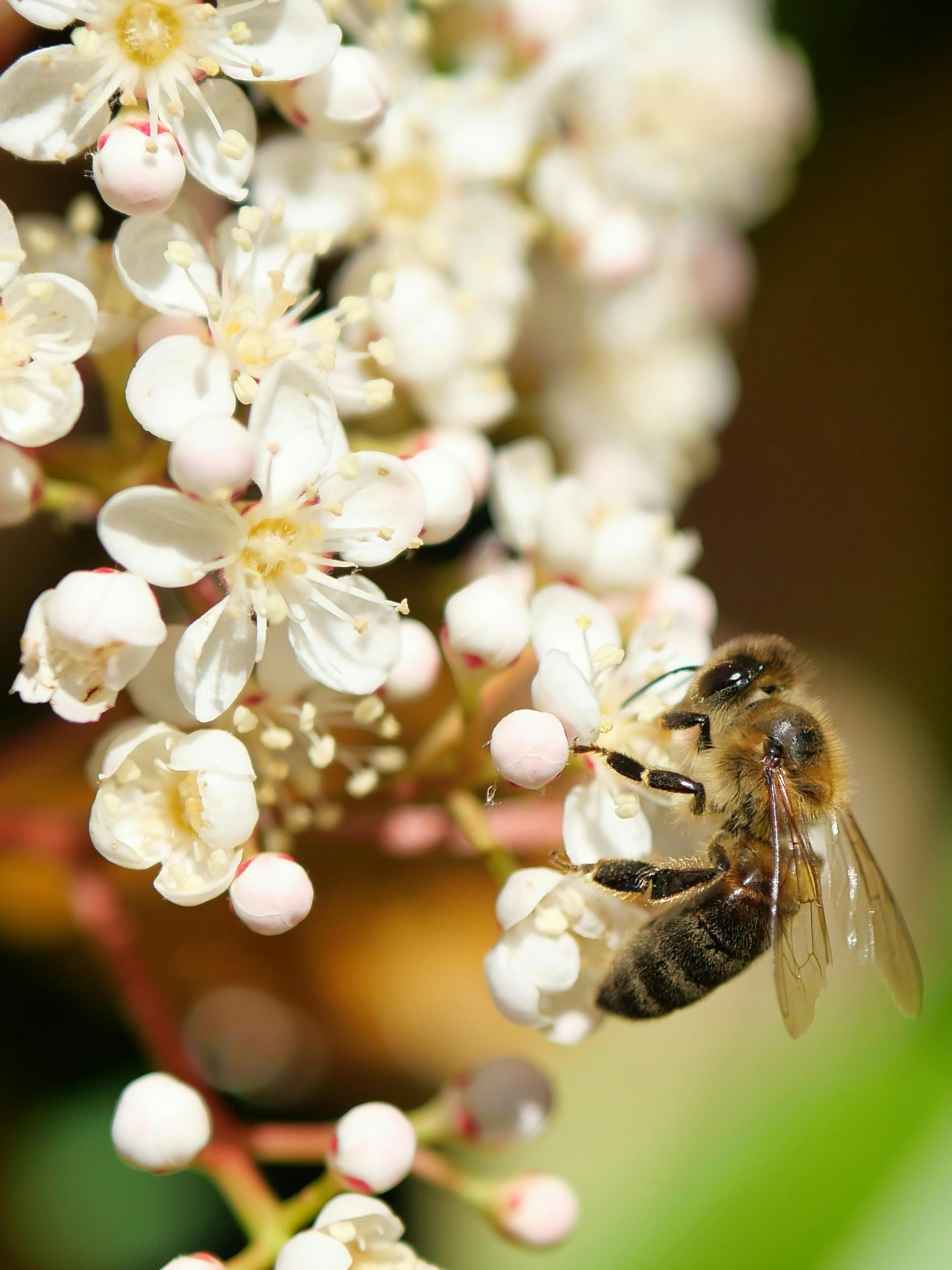
The Importance of Bees
Bees are among the most valuable inhabitants of coffee estates. They assist in pollination, helping improve crop productivity while supporting surrounding plant species.
A healthy bee population is often a sign of a healthy ecosystem.
Nature and Agriculture Working Together
One of the most remarkable aspects of Coorg’s coffee plantations is the way agriculture and biodiversity coexist. Shade trees protect coffee plants while simultaneously creating habitats for wildlife.
This balance benefits farmers, wildlife, and the environment alike.
Why Biodiversity Matters
Biodiversity provides essential ecosystem services such as:
- Pollination
- Seed dispersal
- Pest control
- Soil health improvement
- Climate resilience
Protecting wildlife ultimately supports the long-term sustainability of coffee farming.
Conclusion
A coffee estate in Coorg is much more than an agricultural property. It is a living ecosystem filled with birds, butterflies, pollinators, and wildlife that contribute to the region’s natural richness.
For visitors and investors alike, experiencing this biodiversity offers a deeper appreciation of how sustainable agriculture can work in harmony with nature. Every walk through a coffee plantation reveals a fascinating world where conservation and cultivation thrive side by side.
Frequently Asked Question
Q: Can non-agriculturists buy agricultural land in Coorg?
A: Yes, amendments to Karnataka’s Land Reforms Act allow non-agriculturists to purchase agricultural land.
Q: What legal documents should I check before buying farmland in Coorg?
A: Verify the RTC (Pahani) records, title deed, Encumbrance Certificate (EC), and ensure the land has clear ownership without legal disputes.
Q: Why is physical site inspection necessary before buying?
A: Site visits allow you to inspect boundary markers, confirm survey numbers match records, and check soil fertility, slope, and canopy coverage.
Q: What water source factors should I look for on the property?
A: Check for year-round, reliable sources such as borewells, natural streams, rain catchment, or river access
Q: Why is all-weather road connectivity crucial in Coorg?
A: Coorg experiences heavy monsoons, so a proper approach road is essential for transport, maintenance, and uninterrupted access.
Q: What common mistake do first-time farmland buyers make?
A: Common errors include relying on verbal promises regarding land conversion or access rights, and underestimating the ongoing operational and maintenance costs.