
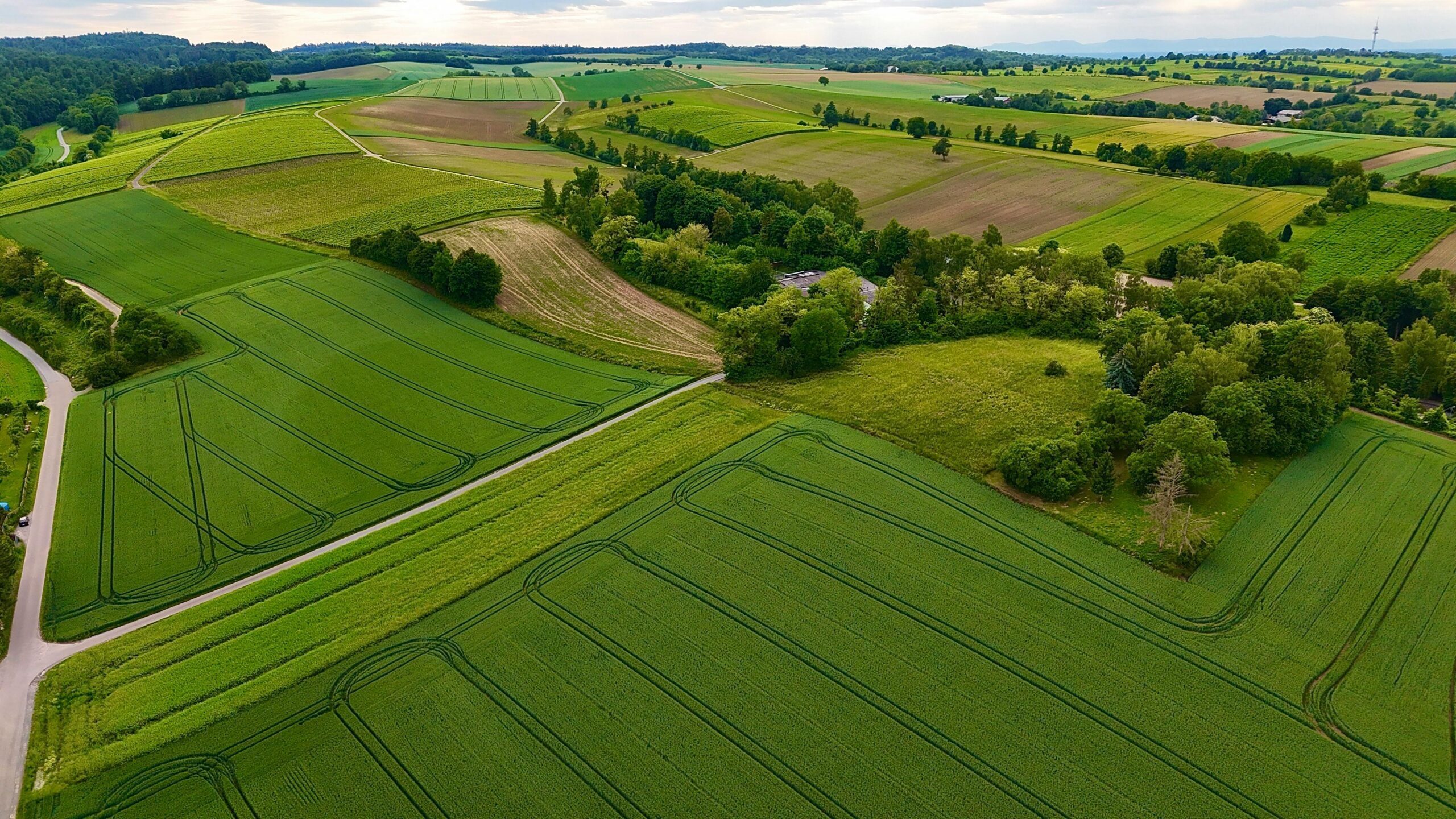
In an era where investors are seeking alternatives to traditional assets, managed farmland has emerged as a compelling option. Combining the stability of land ownership with the productivity of agriculture, managed farmland offers an opportunity to generate passive agricultural income without the challenges of day-to-day farming.
What Is Managed Farmland?
Managed farmland is agricultural land that is professionally maintained and operated on behalf of investors. Instead of handling cultivation, labor management, irrigation, harvesting, and marketing yourself, experienced farm managers oversee these activities while you retain ownership of the land.
This model allows individuals to participate in agriculture without requiring farming expertise or constant involvement.
How Does Passive Agricultural Income Work?
The income generated from managed farmland typically comes from:
1. Crop Revenue
The sale of crops such as coffee, pepper, cardamom, fruits, and timber can generate recurring income depending on the crop cycle and market conditions.
2. Land Appreciation
Agricultural land in desirable regions often appreciates over time due to increasing demand and limited availability.
3. Value-Added Products
Some managed farms generate additional revenue through processed agricultural products, agritourism, or direct-to-consumer sales.
Benefits of Managed Farmland
Diversification
Farmland provides an alternative asset class that is less correlated with stock market fluctuations.
Professional Management
Investors benefit from agricultural expertise without having to manage daily farm operations.
Tangible Ownership
Unlike digital or paper assets, farmland is a physical resource with intrinsic value.
Potential Tax Advantages
Agricultural income may offer tax benefits depending on applicable regulations.
Why Coorg Is an Attractive Destination
Coorg’s fertile soil, abundant rainfall, and favorable climate make it one of India’s most sought-after agricultural regions. Coffee plantations and spice farms have thrived here for generations, creating opportunities for sustainable agricultural income.
Is Managed Farmland Right for You?
Managed farmland is particularly suitable for professionals, entrepreneurs, and investors seeking long-term wealth creation through tangible assets. It combines the benefits of land ownership, agricultural productivity, and professional farm management into a single investment model.
As interest in sustainable investments grows, managed farmland offers a unique way to connect financial goals with environmental stewardship.