For decades, agriculture focused on one main metric: yield per acre. Today, with climate instability, soil degradation, and pest resistance on the rise, biodiversity is becoming more important than just chasing maximum yield.
Biodiverse farms—those with multiple crops, trees, wild plants, insects, and birds—are more stable over time. A wider mix of species reduces the risk that a single pest, disease, or weather event can wipe out everything at once. Natural enemies of pests, like birds and beneficial insects, thrive in diverse habitats and help keep outbreaks under control, reducing the need for pesticides.
Diverse root systems and leaf litter also build healthier soils that absorb water better and bounce back more quickly after drought or heavy rain. These “ecosystem services” often matter more in the long run than a small bump in yield from monocropping that comes with high chemical and environmental costs.
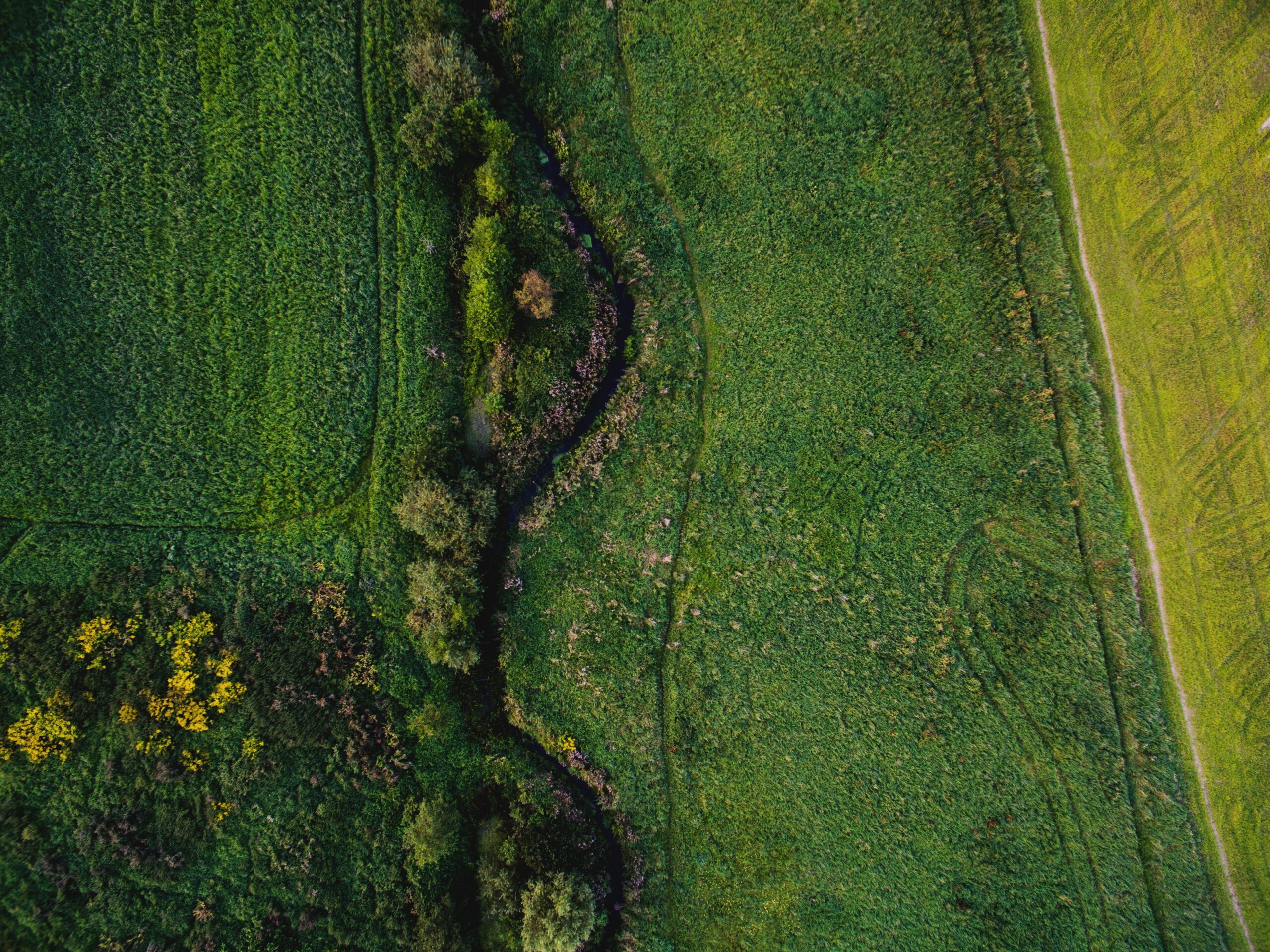
Question for you: If you had to show biodiversity on a single farm in one photo or illustration, what elements would you include to make the message clear?