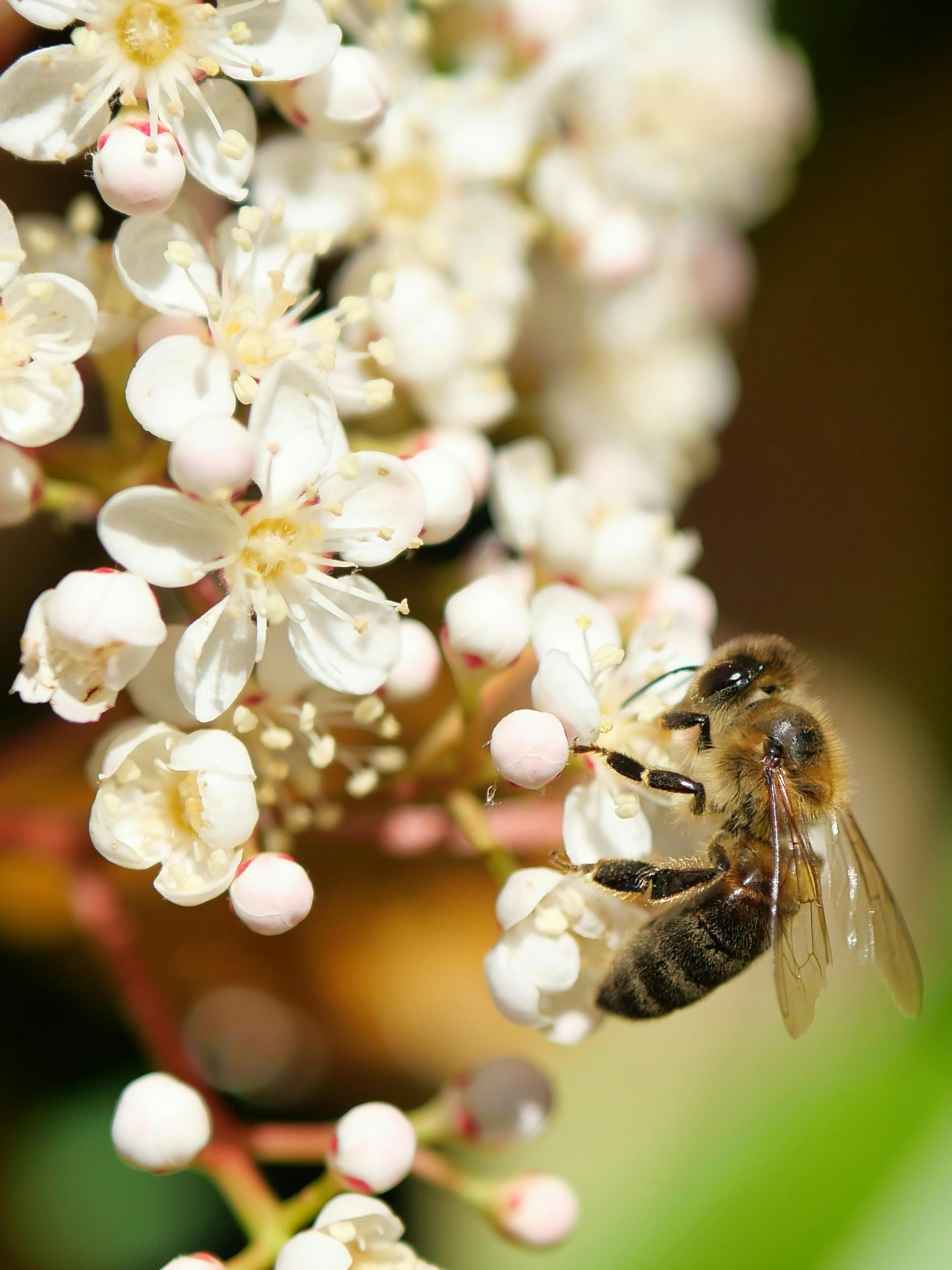
Pollinators—bees, butterflies, beetles, birds, and even some bats—work quietly between flowers, but their impact on farms is huge. A large share of fruit, vegetable, nut, and seed crops depends on animal pollination for good yields and quality.
Even crops that can self-pollinate, like coffee and some oilseeds, often produce more and better-formed fruits when visited by pollinators. This means that healthy populations of bees and other pollinators can raise productivity without adding more fertilizer or expanding land. On a landscape scale, this free service is worth billions of dollars to agriculture every year.
Farmers can support pollinators by keeping flowering weeds or wild strips, planting hedgerows and native trees, reducing pesticide use, and providing nesting sites and clean water. In regions like Coorg, shade coffee systems with mixed tree species already offer excellent habitat, showing how farm design can turn pollinators into powerful natural partners.
Question for you: If you were designing a small demonstration plot to teach visitors about pollinators, what plants and features would you include to make their role visible?