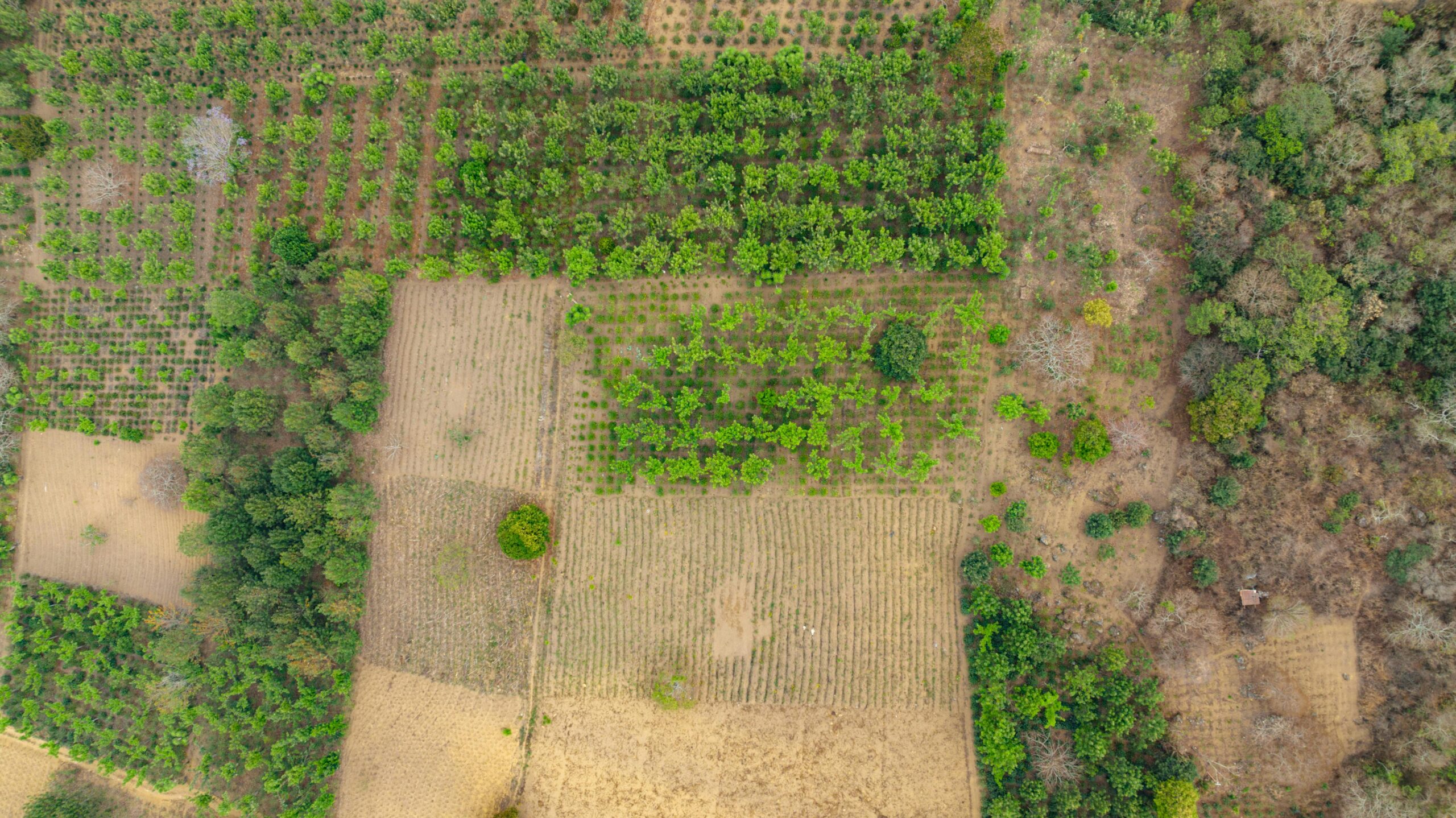
Agroforestry is the practice of growing trees and crops (and sometimes livestock) on the same piece of land in a planned way. In Coorg, shade coffee is a classic example: coffee bushes, pepper vines, fruit trees, and tall shade trees all sharing the same space.
Trees play many roles at once. Their canopy softens harsh sunlight, lowers temperature extremes, and protects crops from heavy rain and wind. Their roots stabilize slopes, reduce soil erosion, and help water seep deeper into the ground instead of just running off the surface.
Falling leaves and small branches become natural fertilizer. As they decompose, they add organic matter and nutrients to the soil, improving its structure and fertility over time. Some agroforestry trees, especially legumes, can even fix nitrogen from the air and enrich the soil, reducing the need for synthetic fertilizers.
Agroforestry also spreads economic risk. On a coffee estate, farmers might harvest coffee, pepper, oranges, bananas, and timber or fuelwood from the same area. If one crop suffers due to disease or low prices, income from other components can help balance things out.
Beyond farm boundaries, tree‑based systems store more carbon than monocrop fields and offer habitat corridors for wildlife, linking patches of forest across the landscape. This makes agroforestry a powerful tool not just for farm productivity, but also for climate mitigation and biodiversity conservation.