
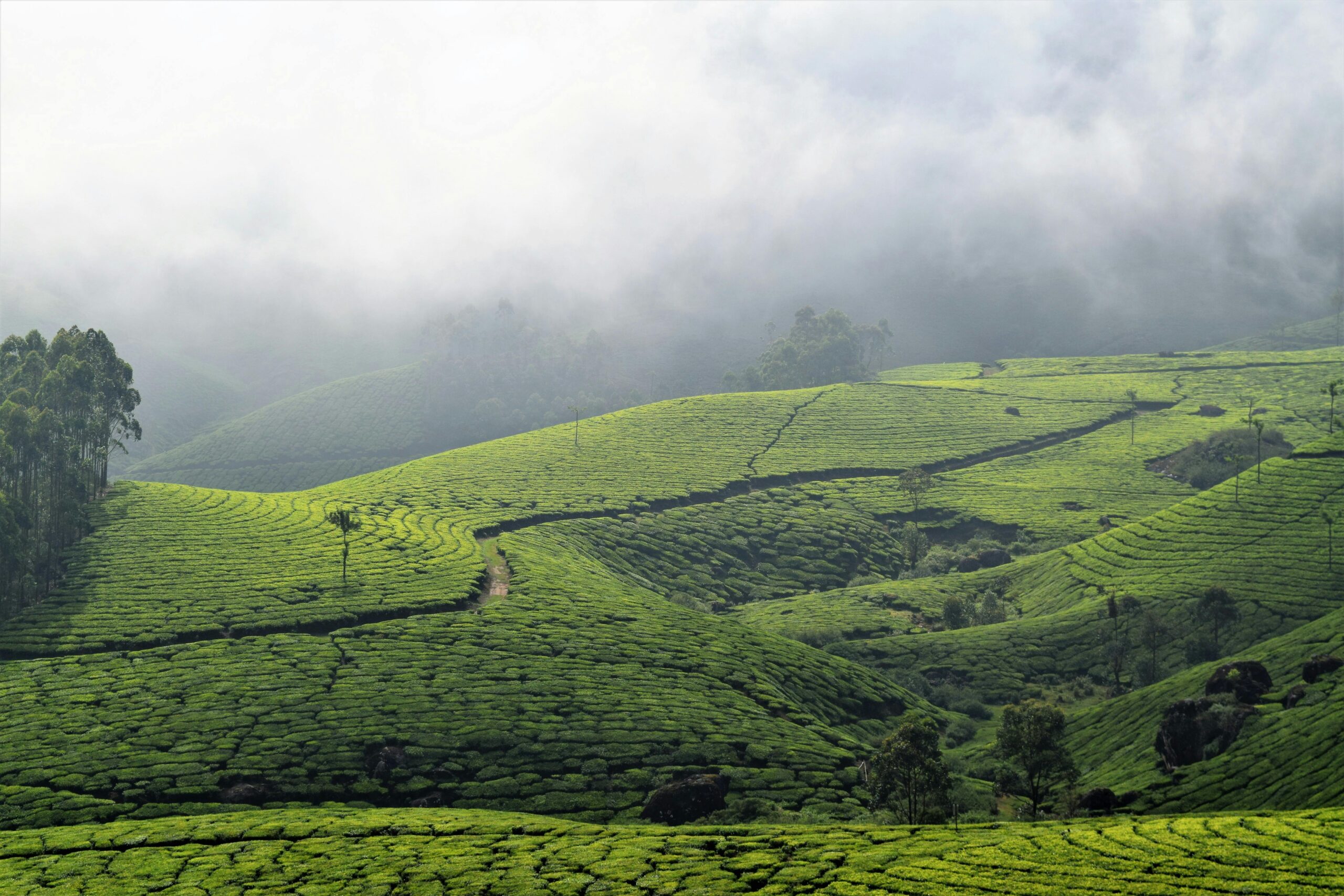
Coorg, often called the Coffee Capital of India, is renowned for producing some of the country’s finest coffee. While the region’s cool climate and lush greenery are widely celebrated, the real secret behind Coorg’s thriving coffee plantations lies beneath the surface: its soil.
Rich Organic Matter
The soil in Coorg is naturally enriched by layers of decomposed leaves, plant matter, and forest vegetation. This organic matter provides essential nutrients that coffee plants need for healthy growth and consistent yields.
Excellent Drainage
Coffee plants do not thrive in waterlogged conditions. Coorg’s well-drained soil allows excess rainwater to flow away while retaining sufficient moisture for the roots. This balance creates ideal growing conditions throughout the year.
Balanced Soil Acidity
Coffee plants prefer slightly acidic soil. The natural pH levels found in Coorg support nutrient absorption and encourage strong root development, leading to healthier plants and higher-quality coffee beans.
Nutrient-Rich Environment
The region’s soil contains important minerals such as nitrogen, phosphorus, and potassium. Combined with sustainable farming practices, these nutrients help maintain long-term soil fertility without excessive dependence on synthetic inputs.
The Role of Shade Trees
Many coffee plantations in Coorg use shade-grown cultivation methods. Fallen leaves from shade trees decompose naturally, enriching the soil and creating a self-sustaining ecosystem that benefits both crops and biodiversity.
Why It Matters for Sustainable Farming
Healthy soil is the foundation of productive agriculture. By preserving soil quality through responsible land management, farmers can maintain consistent yields while protecting the environment for future generations.
Conclusion
The unique combination of organic richness, ideal acidity, excellent drainage, and sustainable cultivation practices makes Coorg’s soil exceptionally suitable for coffee farming. This natural advantage has helped establish the region as one of India’s most respected coffee-growing destinations.
Frequently Asked Questions
Why is organic matter important in Coorg’s soil?
The soil is naturally enriched with decomposed leaves and forest vegetation, delivering vital organic nutrients that support healthy coffee plant growth and consistent crop yields.
How does drainage affect coffee cultivation in Coorg?
Coorg’s soil offers excellent natural drainage, allowing excess rainwater to run off while retaining sufficient moisture at the root level, which prevents waterlogging—a condition harmful to coffee plants.
What is the ideal soil pH for coffee growing in Coorg?
The soil is slightly acidic, creating the optimal pH environment required for efficient nutrient absorption and robust root development.
Which essential minerals are naturally present in Coorg’s soil?
The soil contains key macro-nutrients including nitrogen, phosphorus, and potassium, which help maintain long-term soil fertility naturally.
How do shade trees contribute to soil quality?
In Coorg’s shade-grown plantations, leaf litter from canopy trees decomposes naturally to form mulch, enhancing soil fertility, retaining moisture, and building a self-sustaining ecosystem.