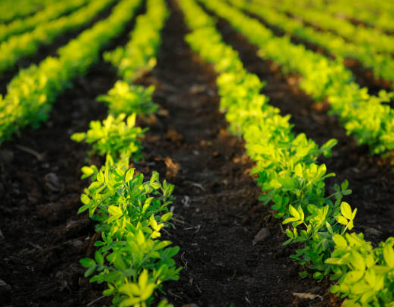
When farmers walk through a field, most of what they notice happens above the ground — healthy leaves, strong stems, flowering crops, or signs of stress. But beneath every productive farm lies an invisible ecosystem more complex than a rainforest. A single teaspoon of healthy soil can contain billions of microorganisms working together to support plant life.
This hidden world is the foundation of sustainable agriculture.
Understanding soil microbiology is no longer just for scientists. Today, farmers, land investors, and sustainable agriculture enthusiasts are beginning to realize that healthy soil biology directly influences crop productivity, water retention, carbon storage, and long-term farmland value.
The Living Universe Beneath Your Feet
Soil is not simply “dirt.” It is a living environment filled with microorganisms constantly interacting with plant roots, organic matter, moisture, and minerals.
The major groups of soil microorganisms include:
1. Bacteria – The Nutrient Recyclers
Bacteria are among the most abundant life forms in soil. They break down organic matter such as dead plants and crop residue, converting it into nutrients plants can absorb.
Some beneficial bacteria also:
- Fix nitrogen from the atmosphere
- Improve soil fertility
- Suppress harmful pathogens
- Help plants resist stress
Without bacteria, nutrients would remain locked in organic material instead of feeding crops.
2. Fungi – The Underground Network Builders
Fungi create thread-like structures called hyphae that spread through the soil like underground highways.
One of the most important fungal relationships is mycorrhizae — fungi that connect with plant roots and help them absorb:
- Water
- Phosphorus
- Micronutrients
In return, plants provide sugars to the fungi.
This partnership increases drought resistance and improves plant growth naturally, reducing dependence on synthetic fertilizers.
3. Protozoa – The Population Controllers
Protozoa are microscopic organisms that feed on bacteria and release nutrients back into the soil in plant-available forms.
Think of them as nature’s nutrient managers:
- They maintain microbial balance
- Prevent bacterial overgrowth
- Increase nitrogen availability
Healthy protozoa populations often indicate biologically active soil.
4. Nematodes – The Soil Food Web Engineers
Nematodes are tiny worms living in soil ecosystems. While some are harmful to crops, many beneficial nematodes:
- Decompose organic matter
- Control pests
- Cycle nutrients
- Improve soil structure
A balanced nematode community is a sign of strong soil biodiversity.
Why Soil Biology Matters in Modern Agriculture
For decades, agriculture focused heavily on chemical inputs. While fertilizers and pesticides increased short-term yields, excessive use often damaged the natural microbial balance of soil.
Today, regenerative farming practices are bringing attention back to biology-first agriculture.
Healthy microbial activity helps:
- Improve soil structure
- Increase water retention
- Reduce erosion
- Store carbon naturally
- Lower fertilizer dependency
- Increase long-term productivity
In simple terms: living soil creates resilient farms.
The Role of Organic Matter
Microorganisms need food to survive. That food comes from organic matter such as:
- Compost
- Crop residues
- Mulch
- Animal manure
- Cover crops
When organic matter increases, microbial diversity grows. This creates healthier soil ecosystems capable of supporting sustainable farming for decades.
Fields rich in organic matter often require fewer external inputs because the soil begins functioning as a self-sustaining biological system.
Signs of Healthy Living Soil
You don’t always need laboratory equipment to identify biologically active soil. Some natural signs include:
- Earthworm activity
- Dark crumbly texture
- Better water absorption
- Strong root systems
- Reduced crusting
- Pleasant earthy smell
These are indicators that the underground ecosystem is thriving.
How Regenerative Farming Supports Soil Microbiology
Modern sustainable agriculture increasingly focuses on protecting microbial life through practices such as:
- Reduced tillage
- Cover cropping
- Agroforestry
- Organic composting
- Crop rotation
- Natural mulching
These techniques minimize soil disturbance and allow microbial ecosystems to recover naturally.
Over time, biologically healthy soils become more productive, climate-resilient, and economically sustainable.
Soil Is More Alive Than We Imagine
The future of farming may not depend entirely on bigger machines or stronger chemicals. It may depend on understanding and nurturing the invisible biological systems already working beneath us.
Every productive farm begins with living soil.
The healthier the microbial ecosystem, the healthier the crops, the environment, and the long-term future of agriculture itself.