
98805 21637 info@naturenme.in

Why Sustainable Farmland is Becoming India’s Smartest Lifestyle Investment

by | May 17, 2026

For years, people viewed land only as a financial asset. Today, that perspective is changing rapidly. Modern investors are no longer searching only for profits — they are searching for purpose, peace, and long-term value. This is why sustainable farmland is becoming one of the most attractive lifestyle investments in India.

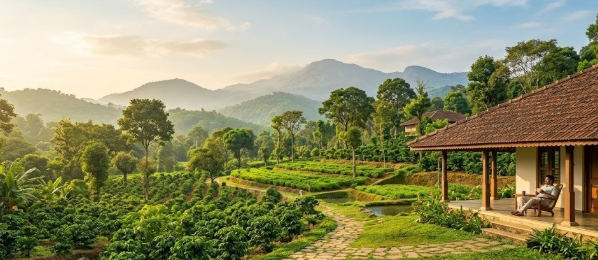
Unlike crowded urban real estate, managed farmland offers a unique combination of nature, wellness, and future growth potential. Investors are drawn toward destinations surrounded by greenery, fresh air, and slower living experiences. Places like Coorg and Madikeri are now becoming preferred choices for individuals who want both emotional and financial returns.

Sustainable farmland is also deeply connected to the future of environmental responsibility. Agroforestry, organic cultivation, water conservation, and biodiversity-focused farming are creating ecosystems that benefit both people and nature. Instead of concrete structures, people are investing in living landscapes that grow healthier over time.

Another reason for this growing demand is the desire for weekend escapes. Many urban professionals want a space away from traffic, screens, and noise. A farmhouse surrounded by plantations provides an experience that luxury apartments often cannot offer — calmness and connection with nature.

Farmland also creates opportunities for passive agricultural income, eco-tourism, and long-term land appreciation. As sustainable living becomes more important globally, nature-driven investments are expected to hold stronger emotional and lifestyle value in the future.

At Nature N Me, the vision goes beyond ownership. It is about creating meaningful experiences where sustainability, luxury, and wellness coexist beautifully.

Recent Posts

Agricultural Land Classification Rules in Karnataka

Why Classification Is the First Thing to Check Before evaluating soil quality, crop potential, or expected returns, the single most important question about any land purchase is how it is officially classified under Karnataka's land records. This single detail...

Is Managed Farmland Recession-Proof? A Closer Look

The Question Every Cautious Investor Asks Whenever markets turn volatile, a common question resurfaces: which assets actually hold up during a downturn? Equities and real estate both have well-documented histories of significant declines during recessions. Managed...

Startup Founders and the Case for Managed Farmland

A Portfolio Concentrated in One Bet Startup founders often have a portfolio problem unique to their situation: a significant share of their net worth is tied up in equity in their own company, an asset that is illiquid, hard to value precisely, and entirely dependent...

Farmland Investment for Women Building Wealth

A Shift in Who Is Asking About Land Farmland investment conversations have historically skewed toward male family decision-makers, often the household head managing all major financial decisions. That pattern is changing. More women, particularly working professionals...

Timber and Silvopasture: Long-Term Farmland Income

The Slowest, and Sometimes Most Valuable, Crop Most conversations about farmland income focus on annual or near-annual harvests: coffee, cardamom, pepper, fruit. Timber trees work on an entirely different timescale, often taking 10 to 20 years or more to mature, but...