
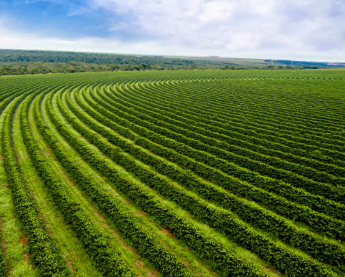
In a world where urban life is becoming faster, noisier, and increasingly disconnected from nature, managed farmland is emerging as more than just an investment — it is becoming a lifestyle choice with long-term value. Across India, especially in regions like Coorg, Sakleshpur, and Chikkamagaluru, investors are discovering the benefits of owning farmland that is professionally managed while generating sustainable returns.
What Is Managed Farmland?
Managed farmland is agricultural land that is maintained and operated by professional experts on behalf of the landowner. Instead of handling farming activities personally, investors can own farmland while experienced teams take care of plantation, maintenance, irrigation, harvesting, and property management.
This model allows individuals to enjoy the benefits of farmland ownership without the stress of day-to-day farming responsibilities.
Why Managed Farmland Is Gaining Popularity
1. A Real Asset with Long-Term Appreciation
Unlike volatile markets, farmland is a tangible asset. Land continues to appreciate over time, especially in regions with growing tourism, agricultural demand, and eco-living developments.
As urban spaces become overcrowded, the value of peaceful green landscapes is steadily increasing.
2. Multiple Income Opportunities
Managed farmland can generate returns through:
- Fruit orchards
- Coffee plantations
- Pepper cultivation
- Agroforestry
- Farm tourism
- Eco-stays and farmhouse experiences
This creates multiple streams of income while maintaining the natural ecosystem of the land.
3. Sustainable Living Is the Future
Modern investors are no longer looking only at profits. They are also asking:
- Is this environmentally responsible?
- Can this improve quality of life?
- Does this create long-term value for future generations?
It is an investment that benefits both people and the planet.
4. A Perfect Weekend Escape
Owning farmland in scenic destinations offers something city life cannot — peace.
Imagine spending weekends surrounded by coffee estates, fresh air, fruit orchards, and nature trails instead of traffic and concrete buildings. Managed farmland creates an opportunity to reconnect with nature while still building wealth.
For many families, it becomes a second home and a long-term legacy asset.
5. Low Maintenance for Owners
One of the biggest advantages of managed farmland is convenience.
Professional teams handle:
- Land development
- Crop management
- Security
- Irrigation systems
- Harvesting
- Maintenance
This allows investors to enjoy ownership without requiring agricultural expertise.
The Rise of Eco-Conscious Investments
The next generation of investments is shifting toward sustainability, wellness, and nature-focused living. Managed farmland aligns perfectly with this trend because it combines:
- Financial growth
- Environmental responsibility
- Lifestyle benefits
- Future security
People are no longer investing only for returns — they are investing for meaningful living.
Final Thoughts
Managed farmland is redefining modern real estate and sustainable investment in India. It offers the rare combination of nature, passive income, long-term appreciation, and lifestyle enhancement.
As the demand for eco-friendly living continues to rise, managed farmland is becoming one of the smartest and most fulfilling investments for the future.