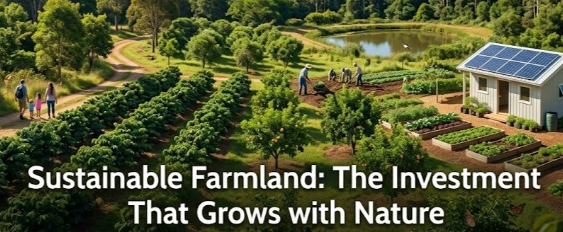
As the world moves toward conscious living and environmentally responsible choices, sustainable farmland is becoming one of the most valuable investments of the future. It is no longer just about owning land — it is about creating a healthier lifestyle, supporting the environment, and building long-term wealth through nature-driven growth.
From lush coffee estates to fruit orchards and agroforestry projects, sustainable farmland is transforming the way people think about real estate and investments.
What Makes Farmland Sustainable?
Sustainable farmland focuses on agricultural practices that protect natural resources while maintaining long-term productivity. Instead of exhausting the soil and environment, sustainable farming works in harmony with nature.
This includes:
- Organic farming methods
- Water conservation systems
- Agroforestry plantations
- Soil health management
- Biodiversity preservation
- Eco-friendly land development
The goal is simple — to create farmland that continues to thrive for generations.
Why Sustainable Farmland Matters Today
1. A Greener Future Starts with Land
Rapid urbanization has reduced green spaces across cities. Sustainable farmland helps restore ecological balance by preserving trees, improving air quality, and supporting wildlife.
Investing in green land today means contributing to a healthier planet tomorrow.
2. Healthy Living Is Becoming a Priority
People are becoming more aware of the connection between nature and wellness. Sustainable farmland offers:
- Fresh air
- Organic produce
- Chemical-free environments
- Peaceful surroundings
- Stress-free living experiences
For many families, farmland becomes a place to reconnect with nature and escape the fast pace of urban life.
3. Sustainable Farmland Creates Long-Term Value
Unlike short-term investment trends, farmland continues to grow in value over time. Land is limited, but demand for eco-friendly living spaces is increasing rapidly.
Regions known for natural beauty and fertile soil are attracting investors looking for:
- Appreciation potential
- Passive agricultural income
- Farm tourism opportunities
- Weekend retreat experiences
Sustainable farmland combines emotional value with financial growth.
4. Agroforestry Is Changing Modern Farming
One of the biggest trends in sustainable agriculture is agroforestry — the practice of combining trees, crops, and biodiversity within the same ecosystem.
Benefits of agroforestry include:
- Improved soil fertility
- Better water retention
- Increased biodiversity
- Additional income sources
- Reduced environmental impact
This modern approach creates a balanced ecosystem where farming and nature coexist successfully.
5. A Lifestyle Beyond Investment
Sustainable farmland is not just for investors — it is for people seeking a better quality of life.
Imagine waking up to mist-covered plantations, birdsong, fresh produce, and natural landscapes instead of city pollution and noise. Farmland creates experiences that modern urban living often cannot provide.
For many, it becomes:
- A family retreat
- A wellness destination
- A future retirement space
- A legacy asset for the next generation
The Future of Real Estate Is Nature-Driven
As climate awareness grows, people are shifting toward investments that are meaningful, sustainable, and future-ready. Sustainable farmland stands at the center of this movement because it blends:
- Environmental responsibility
- Lifestyle enhancement
- Wealth creation
- Long-term security
The future belongs to investments that grow without harming the planet.
Final Thoughts
Sustainable farmland is more than an emerging trend — it is a smarter and more conscious way of investing. It offers the perfect balance between financial opportunity and environmental preservation.
In a world searching for sustainability, peace, and long-term value, farmland is becoming one of the most rewarding assets to own.
Because when you invest in sustainable farmland, you are not only growing wealth — you are growing a greener future.