
Modern life has made people more connected digitally — but more disconnected emotionally.
Most people spend their days surrounded by:
- Traffic noise
- Screens and notifications
- Artificial lighting
- Busy schedules
- Stress and mental fatigue
As this lifestyle becomes normal, people are beginning to experience higher levels of anxiety, burnout, lack of focus, and emotional exhaustion.
But something interesting happens when people step into nature.
The mind slows down. Breathing becomes calmer. Stress feels lighter.
This is not imagination. Science actually explains why nature has such a powerful effect on the human mind.
Human Beings Were Designed to Live Close to Nature
For thousands of years, humans lived surrounded by forests, rivers, mountains, and open landscapes. Natural environments shaped the way the human brain evolved.
But in the last few decades, lifestyles changed dramatically.
Today, many people spend:
- More than 8 hours indoors
- Most of their time looking at screens
- Very little time in natural environments
This sudden disconnection from nature affects mental and emotional health more than most people realize.
The human brain naturally responds positively to greenery, fresh air, sunlight, and open spaces because these environments feel biologically familiar.
Why Green Spaces Reduce Stress
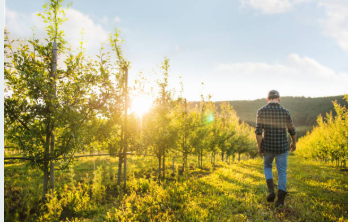
When people spend time in natural surroundings like orchards, coffee plantations, or farmlands, the body experiences physical changes.
Research has shown that natural environments can help:
- Lower stress hormones
- Reduce blood pressure
- Improve concentration
- Calm the nervous system
- Improve sleep quality
Unlike crowded urban environments that constantly overstimulate the brain, nature allows the mind to relax without pressure.
This is one reason why people often feel mentally refreshed after visiting places surrounded by greenery.
Silence Has Become a Luxury
In cities, silence is rare.
There is always:
- Traffic
- Construction
- Notifications
- Conversations
- Digital distractions
The brain never truly rests.
But natural environments create a different kind of experience. The sounds of birds, rainfall, rustling leaves, and flowing wind are known to calm the nervous system naturally.
This type of peaceful silence improves emotional well-being and mental clarity.
That is why many people today are seeking farm stays, orchard retreats, and farmhouse experiences — not only for vacations, but for emotional healing.
Nature Improves Human Connection
One hidden effect of modern digital life is emotional distance.
Families often sit together while everyone looks at separate screens.
Nature changes this dynamic.
When people spend time in farm environments:
- Conversations become more meaningful
- Families spend more quality time together
- Children become more curious and active
- People feel more present in the moment
Simple activities like harvesting fruits, walking through plantations, or watching sunsets create emotional memories that feel authentic and lasting.
The Growing Need for Sustainable Living
People are also becoming more conscious about how they live.
There is increasing awareness about:
- Organic farming
- Eco-friendly lifestyles
- Chemical-free food
- Sustainable tourism
- Protecting natural ecosystems
Farmhouses, orchards, and farmland experiences align perfectly with this shift toward mindful living.
They allow people to enjoy comfort while staying connected to the environment responsibly.
Why Places Like Coorg Feel Different
Places like Coorg and Madikeri attract people because they offer:
- Cooler climates
- Dense greenery
- Peaceful landscapes
- Slower lifestyles
- Strong connection to nature
These environments provide something cities often cannot — emotional stillness.
And in today’s fast-moving world, that stillness has become incredibly valuable.
Final Thoughts
Nature is no longer just a travel destination. For many people, it is becoming a necessity.
The growing interest in farmhouses, orchards, and sustainable living reflects a deeper truth: people are searching for balance.
Not everything that improves life comes from technology. Sometimes, healing begins with fresh air, green landscapes, and a slower way of living.
Because at the end of the day, humans may live in cities — but the mind still belongs to nature.