In a world obsessed with overnight returns and digital assets, there is a quiet, blossoming alternative that has outperformed almost every trend for centuries: The Fruit Orchard.
At Nature N Me, we view an orchard as more than just a collection of trees. It is a biological time capsule. Here is why the most forward-thinking investors are looking away from the stock ticker and toward the canopy.
1. The “Yield Curve” of Nature
Unlike a building that depreciates the moment it’s finished, an orchard is an appreciating asset that literally grows.
- The Early Years: You invest in soil health and structural pruning.
- The Peak: Between years 7 and 40, a well-managed orchard (like those in Coorg or Madikeri) reaches its “Golden Era,” providing maximum harvest with minimal intervention.
- The Lesson: You aren’t just buying land; you’re buying a compounding interest machine fueled by sunlight.
2. Micro-Climates and “The Cooling Effect”
Did you know a mature fruit orchard can be 3°C to 5°C cooler than the surrounding open land?
- The Science: Through a process called transpiration, trees release water vapor that acts as a natural air conditioner.
- The Value: In an era of rising global temperatures, a property wrapped in a fruit orchard isn’t just “pretty”—it’s a climate-resilient sanctuary. It’s the difference between needing AC and needing a sweater.
3. Edible Landscaping: Luxury You Can Taste
Traditional luxury landscaping is “sterile”—lawns and ornamental hedges that require water but give nothing back.
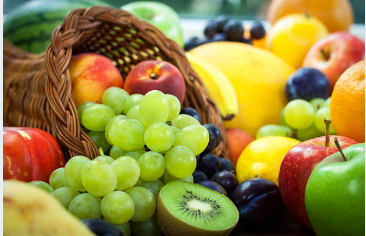
- The Shift: We are seeing a massive move toward Edible Luxury. Imagine walking your property and picking an avocado for breakfast, a citrus for your drink, or a mangosteen for dessert.
- The Flex: Offering a guest a fruit grown on your own soil is the new ultimate luxury. It signals patience, stewardship, and a connection to the earth that money can’t buy in a city.
4. The Pollinator Premium
An orchard is a 24/7 host for the world’s most important workers: Bees and Butterflies.
- The Biodiversity Bonus: By planting a diverse range of fruit trees, you create a “Pollinator Corridor.” This doesn’t just help your trees; it boosts the health of the entire local ecosystem.
- Why it Matters: High biodiversity is increasingly being linked to higher land value. A “living” piece of land is worth significantly more than a “cleared” one.
The Takeaway: You don’t plant an orchard for yourself; you plant it for your grandchildren. It is an investment in health, climate, and heritage.
What fruit tree would you want to be the “centerpiece” of your legacy? Let’s talk about orchard design in the comments.