
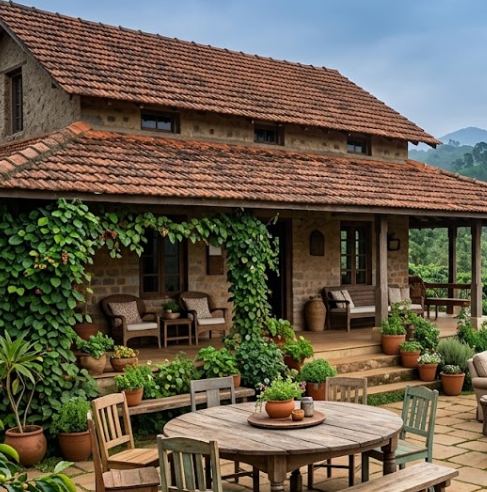
Before the steam rises from your morning mug or a barista slides a porcelain cup across the counter, there is a world where time moves slower. It is a landscape of mist-covered hills, vibrant crimson berries, and a rhythmic, agricultural tradition. This is the coffee plantation—the birthplace of the world’s most beloved ritual.
The Terroir: Where the Magic Begins
Coffee is far more than a simple crop; it is a reflection of its environment, a concept experts call terroir. The unique combination of volcanic soil, high altitude, and precise rainfall creates the complex flavor profiles that coffee lovers crave.
Most plantations thrive within the “Bean Belt“—the lush tropical strip of earth between the Tropics of Cancer and Capricorn. Here, coffee plants often grow under a protective canopy of banana or silver oak trees.
The Shade-Grown Difference: By planting coffee under taller trees, farmers protect delicate Arabica plants from the harsh sun. This preserves local biodiversity and allows the cherries to ripen slowly, which concentrates their natural sugars.
A Cycle of Patience and Precision
A coffee tree is a long-term investment in patience. It typically takes three to four years for a newly planted seedling to bear its first fruit. These fruits, known as “cherries,” transition from a waxy green to a deep, jewel-like red when they are ready for harvest.
In regions with steep terrain, such as Ethiopia or Colombia, harvesting is still largely done by hand to ensure only the ripest fruit is selected
The Emerald Canopy: A Journey Through the Coffee Plantation
Before the steam rises from your morning mug or a barista slides a porcelain cup across the counter, there is a world where time moves slower. It is a landscape of mist-covered hills, vibrant crimson berries, and a rhythmic, agricultural tradition. This is the coffee plantation—the birthplace of the world’s most beloved ritual.
The Terroir: Where the Magic Begins
Coffee is far more than a simple crop; it is a reflection of its environment, a concept experts call terroir. The unique combination of volcanic soil, high altitude, and precise rainfall creates the complex flavor profiles that coffee lovers crave.
Most plantations thrive within the “Bean Belt“—the lush tropical strip of earth between the Tropics of Cancer and Capricorn. Here, coffee plants often grow under a protective canopy of banana or silver oak trees.
- The Shade-Grown Difference: By planting coffee under taller trees, farmers protect delicate Arabica plants from the harsh sun. This preserves local biodiversity and allows the cherries to ripen slowly, which concentrates their natural sugars.
A Cycle of Patience and Precision
A coffee tree is a long-term investment in patience. It typically takes three to four years for a newly planted seedling to bear its first fruit. These fruits, known as “cherries,” transition from a waxy green to a deep, jewel-like red when they are ready for harvest.
In regions with steep terrain, such as Ethiopia or Colombia, harvesting is still largely done by hand to ensure only the ripest fruit is selected.
| Feature | Ideal Conditions |
| Global Reach | Over 70 producing countries |
| Sunlight | Approximately 2,000 hours per year |
| Altitude | Roughly 1,200 meters |
The Transformation
Once harvested, the plantation becomes a hub of activity to extract the seeds. Whether using the “washed” method (resulting in clean, bright acidity) or the “natural” sun-dried method (offering heavy body and sweetness), the goal is to reach the two green seeds inside the cherry. These “beans” only turn their signature chocolate brown once they reach the roaster’s drum.
Sustainability: The Future of the Bean
Modern plantations are adapting to a changing climate by merging tradition with technology. Forward-thinking farmers are utilizing:
Regenerative Agriculture: Restoring soil health to ensure long-term viability.
Water Conservation: Protecting local ecosystems from processing runoff.
When you choose a bag of beans, you aren’t just buying caffeine; you are supporting a complex and fragile agricultural heritage. Next time you take a sip, imagine the mountain air and the hands that carefully plucked those cherries under a tropical sun. The story of coffee is, ultimately, a story of the land.