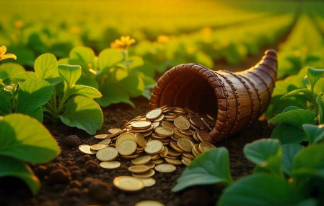
In recent years, investors have started looking beyond traditional investment options like stocks, gold, and real estate. One opportunity that is gaining massive attention is managed farmland investment. With increasing demand for sustainable living and organic food, farmland has become a powerful asset that offers both financial and environmental benefits.
Managed farmland allows individuals to own agricultural land while professionals handle the cultivation, maintenance, and harvesting. This makes it a perfect investment option for people who want to enjoy farmland ownership without the hassle of managing it themselves.
What is Managed Farmland?
Managed farmland is a modern investment model where individuals purchase farmland plots while an expert team manages the farming activities. These activities may include planting crops, irrigation, maintenance, and harvesting.
Investors can benefit from:
- Professional farm management
- Long-term land appreciation
- Agricultural income
- A peaceful connection with nature
This concept is becoming especially popular among urban professionals who want to invest in land but cannot manage farms themselves.
Growing Demand for Farmland Investment
The demand for farmland is increasing rapidly due to several factors:
1. Limited Land Availability
Agricultural land is a finite resource, and as urbanization expands, the availability of farmland continues to shrink. This naturally increases the value of existing farmland.
2. Rising Demand for Organic Food
Consumers today are becoming more conscious about health and sustainability. Organic fruits, vegetables, and farm produce are in high demand, making farmland investments even more attractive.
3. Stable and Long-Term Returns
Unlike volatile markets, farmland tends to provide stable long-term appreciation. Over time, land value increases while agricultural activities can generate additional income.
Benefits of Investing in Managed Farmland
Passive Income
Managed farmland projects often include crops like fruit orchards, timber trees, or agroforestry plantations. These crops generate income over time while the land value continues to appreciate.
Professional Management
Farm experts take care of everything including soil health, irrigation, plantation, and harvesting. Investors do not need to worry about day-to-day operations.
Sustainable Investment
Farmland investments contribute to environmental sustainability by promoting green cover, biodiversity, and responsible farming practices.
Weekend Getaway
For many investors, farmland also becomes a peaceful escape from city life. It offers a natural environment where families can reconnect with nature.
Agroforestry: The Future of Farming
One of the most promising models in managed farmland is agroforestry. This approach combines trees, crops, and sustainable farming practices to improve productivity while protecting the environment.
Agroforestry provides:
- Long-term timber value
- Fruit production
- Soil improvement
- Biodiversity protection
This model creates a balanced ecosystem while generating multiple income streams for investors.
Why 2025 is the Right Time to Invest
Several trends indicate that farmland will continue to grow in value:
- Increasing global food demand
- Rising interest in sustainable investments
- Growing urban population seeking nature-based assets
- Limited availability of agricultural land
Investing today allows individuals to secure land before prices increase further.
Conclusion
Managed farmland is more than just an investment; it is an opportunity to build long-term wealth while contributing to a greener future. With professional management, sustainable farming practices, and increasing demand for agricultural land, farmland ownership is becoming one of the most promising investment opportunities.
For individuals looking to diversify their portfolio and stay connected to nature, managed farmland offers the perfect balance of financial growth and environmental responsibility.